Skip to content
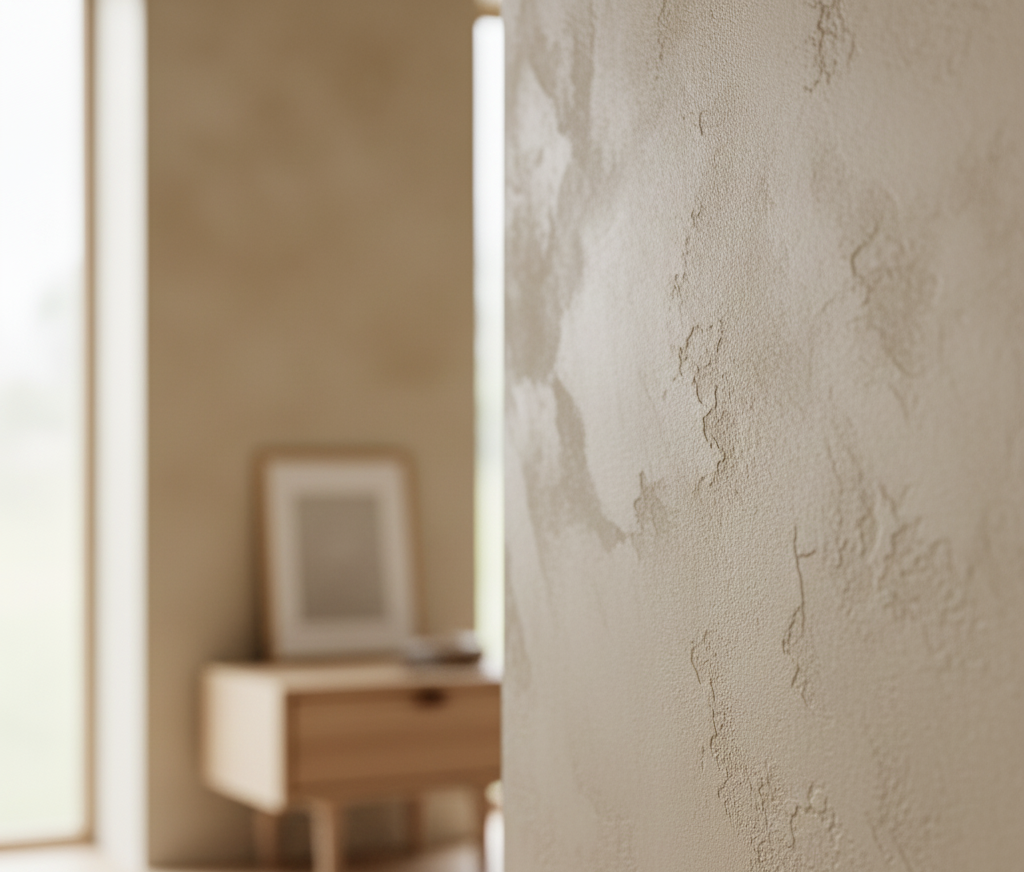
Lime Plaster Finishes: No Longer “Old-School”
For years, homeowners perceived lime plaster as an old-world technique used only in heritage buildings or rustic European homes. But in 2025, Lime Plaster Finishes have returned with a modern, luxurious twist—becoming a top choice among architects, interior designers, and sustainability-focused homeowners. What was once considered “traditional” is now trending across luxury homes, boutique hotels, and minimalist apartments for its natural texture, durability, and eco-friendly profile.
This blog explores why lime plaster is making such a strong comeback, how it compares to modern wall finishes, where it is best used, and what homeowners in cities like Ahmedabad & Gandhinagar should consider if they want to switch to lime-based textures.
Why Lime Plaster Finishes Are Back in Trend
The resurgence of lime plaster finishes has been driven by a combination of aesthetic preferences, health-conscious design, and material innovation. Today’s homeowners prefer spaces that feel natural, breathable, and timeless. Smooth, sleek, polished walls are being replaced with nuanced, character-rich surfaces created with lime-based materials.
Key reasons behind the comeback:
Visual warmth and organic texture
Zero VOCs and healthier indoor air quality
Excellent breathability and moisture regulation
Compatibility with minimalistic and rustic-modern interior styles
Longer lifespan compared to synthetic paints
This new wave of demand has turned Lime Plaster Finishes into a modern luxury element—displayed in living rooms, home offices, bedrooms, commercial lobbies, and even bathrooms.
Understanding Lime Plaster: What Makes It Unique?
Lime plaster is made from lime putty, created by heating limestone and mixing it with water. When applied to walls, it undergoes a natural process called carbonation, turning back into stone. This makes it extremely durable, breathable, and resistant to mold or moisture.
How lime plaster differs from paint or POP
| Feature | Lime Plaster | Latex Paint | POP / Gypsum |
|---|---|---|---|
| Breathability | High | Low | Medium |
| VOC Levels | Zero | Medium to High | Low |
| Lifespan | 20–50 years | 5–7 years | 7–10 years |
| Texture Quality | Premium natural texture | Flat / artificial | Smooth but plain |
| Moisture Resistance | Excellent | Poor | Fair |
| Aesthetic Appeal | Warm, natural, luxurious | Basic | Clean but not expressive |
Conclusion: Lime plasters offer a premium, timeless finish unmatched by synthetic alternatives.
Aesthetic Benefits of Lime Plaster Finishes
Designers love lime plaster because it creates a surface that feels alive. Its subtle colour variations, soft texture, and gently reflective mineral surface bring depth and richness that paints cannot replicate.
Notable aesthetic qualities
Matte yet dynamic surface with natural tonal variation
Soft texture that works well with minimal and Scandinavian interiors
Seamless walls without visible joints or uneven patches
Stone-like appearance which elevates visual luxury
Perfect for curved walls and niches due to its flexibility
These qualities make Lime Plaster Finishes ideal for people who prefer modern, understated designs while still wanting character and uniqueness on the walls.
Is Lime Plaster Good for Contemporary Homes? Absolutely.
1. Minimalist Interiors
Modern minimal homes focus on texture over heavy décor. Lime plaster delivers the perfect subtle richness.
2. Sustainable Eco-Homes
As homeowners move toward natural building materials, lime plaster stands out as an environment-friendly solution.
3. Luxury Interiors
High-end homes increasingly use lime plasters like Marmorino or Venetian plaster for polished, marble-like finishes.
4. High-Humidity Areas
Bathrooms, kitchens, and basements benefit from lime’s mold-resistant properties.
5. Accent Walls
Designers now frequently use lime plaster for feature walls in living rooms or bedrooms to add depth and warmth.
Types of Lime Plaster Finishes Used in Modern Homes
Lime plaster isn’t a single look. It offers multiple finish types ranging from ultra-smooth to rustic.
1. Venetian Lime Plaster (Polished)
Reflective, smooth, and luxurious—great for formal living rooms or hotel-style bedrooms.
2. Marmorino Finish
Subtle, natural stone-like texture—perfect for modern or rustic-modern interiors.
3. Textured Lime Wash Look
A cloudy, soft, matte effect that enhances natural aesthetics.
4. Rough Rustic Lime Texture
Great for earthy, Mediterranean, or minimal-Japanese interiors.
5. Tadelakt Finish
A waterproof Moroccan-style lime plaster ideal for bathrooms and wet areas.
Why Ahmedabad & Gandhinagar Homes Benefit the Most
The dry climate, increasing pollution levels, and rising humidity in monsoons make lime plaster extremely suitable for homes in these regions.
Local advantages:
Regulates indoor temperature naturally
Absorbs humidity to prevent condensation
Neutralizes harmful indoor pollutants
Requires less maintenance in dusty climates
As more homeowners in Gujarat move towards minimal, earthy, and eco-friendly interiors, lime plaster has become a top material choice among leading designers.
Maintenance & Durability: Does Lime Plaster Last Long?
Lime plastered walls can last 20 to 50 years when maintained properly.
Maintenance Tips
Dust occasionally with a microfiber cloth
Avoid harsh chemical cleaners
For stains, use a mild soap and water solution
Re-wax or seal (for Tadelakt) every few years
Compared to synthetic paint needing frequent repainting, lime plaster is significantly more economical in the long run.
Where Should You Use Lime Plaster? (Best Applications)
Most Recommended Areas
Living room feature walls
Bedrooms with natural lighting
Dining area walls
Entry foyer or passageways
Curved walls, arches, and niches
Optional but Effective Areas
Bathroom walls (Tadelakt only)
Kitchen backsplash (sealed lime plaster)
Commercial reception areas
Avoid In
Exterior walls exposed to heavy rain (unless protected)
Areas prone to direct water splash without sealing
Cost Considerations: Is Lime Plaster Expensive?
In 2025, lime plaster is considered a premium material. Prices vary depending on the type, surface preparation, and finish quality.
General Cost Range (India 2025)
| Finish Type | Approx. Cost per sq ft |
|---|---|
| Basic Lime Plaster | ₹150–₹220 |
| Marmorino | ₹280–₹380 |
| Venetian Plaster | ₹350–₹500 |
| Tadelakt (Waterproof) | ₹600–₹900 |
Despite being pricier than paint, it delivers long-term savings due to durability and low maintenance.
Lime Plaster vs. Lime Paint: Not the Same
Many confuse lime plaster with lime paint, but the two are quite different.
| Aspect | Lime Plaster | Lime Paint |
|---|---|---|
| Thickness | Multi-layer (2–5 mm) | Very thin (like regular paint) |
| Texture | Deep, rich, mineral texture | Softer, cloudy texture |
| Durability | Extremely high | Moderate |
| Cost | Higher | Lower |
If you want depth, richness, and a luxurious feel—lime plaster is the right choice.
Is Lime Plaster Worth It in 2025?
Absolutely. It’s one of the few materials that successfully blends:
Sustainability
Aesthetic luxury
Durability
Health benefits
Design flexibility
Whether you’re designing a studio apartment or a luxury villa, lime plaster finishes can dramatically elevate your interiors.
Conclusion: Are Acoustic Panels a Trend or a Long-Term Need?
Acoustic panels may be trending in 2025, but they’re far more than a temporary design fad. With changing lifestyles, open layouts, and increased digital communication, sound comfort has become a long-term necessity.
Whether you’re setting up a home office, building a home theater, running a café, or simply wanting a peaceful home, acoustic panels can dramatically elevate your experience.
As more Indian families adopt smart living and wellness-focused interiors, acoustic solutions will continue to rise in popularity and importance.
If you want a space that feels premium, calm, and functional—this is one upgrade worth considering.
Related Post

Ready To Transform Your Dream Space?
Get a free Consultation