Skip to content
Is Nano-Coating the Future of Interior Surfaces? A Complete 2025 Guide
In 2025, the conversation around interior materials has shifted dramatically, with Nano-Coating Surfaces becoming one of the most transformative innovations in modern interior design. Homeowners, architects, and designers are increasingly adopting nano-coated materials for their ability to provide long-term protection, easier maintenance, and enhanced durability. From kitchens and bathrooms to furniture, flooring, and even walls—nano-coating technology is redefining how we protect and enhance interior surfaces.
This blog explores whether nano-coating is truly the future of interior finishes, and how its adoption is rising across residential and commercial spaces.
Understanding Nano-Coating: What Exactly Is It?
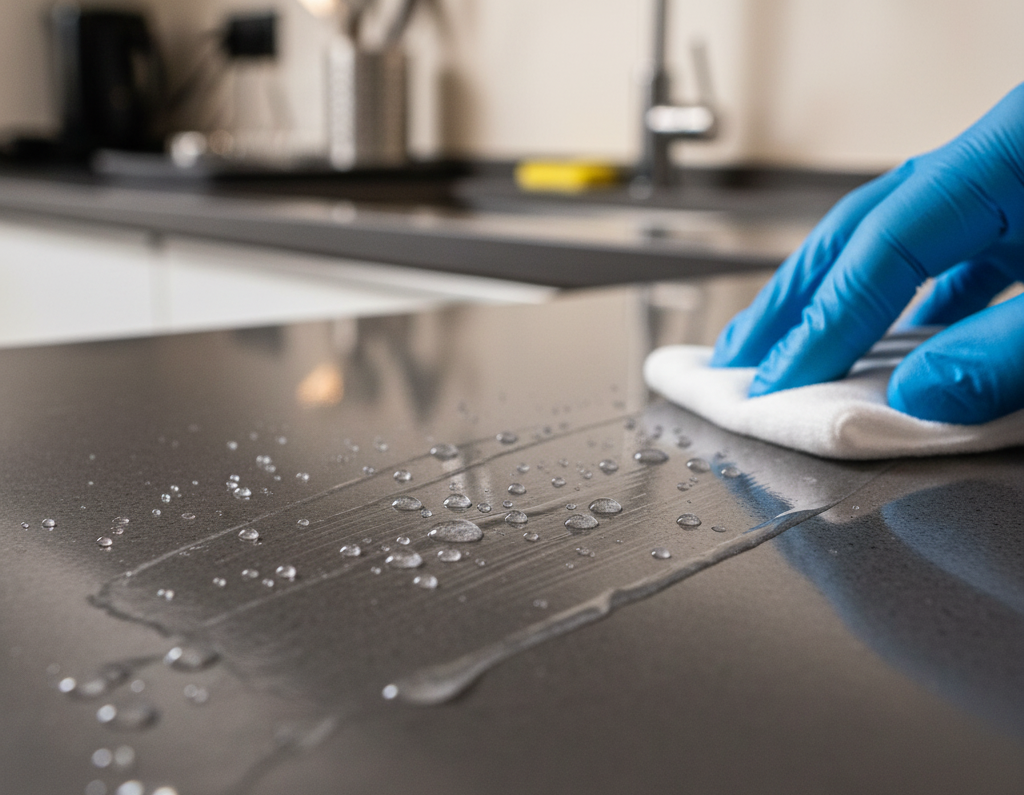
Nano-coating is a microscopic protective layer applied to a surface to improve resistance against water, dust, stains, scratches, and microbial growth. These coatings often use materials like silicon dioxide (SiO₂), titanium dioxide (TiO₂), ceramic particles, or graphene-based compounds.
Key Characteristics
Invisible, ultra-thin, and breathable
Hydrophobic (water-repellent)
Oleophobic (oil-repellent)
Anti-bacterial / anti-fungal
Scratch-resistant depending on thickness
UV-resistant; reduces surface fading
Heat and chemical resistance in premium variants
Nano-coating does not change the texture or look of a surface, making it ideal for modern minimalist interior designs.
Why Nano-Coating Surfaces Are Becoming Popular in 2025
The rising demand for nano-coated interiors is directly connected to modern lifestyles. People now want interiors that are:
Low maintenance, especially in compact urban homes
Long-lasting, reducing renovation frequency
Premium in feel, with flawless, clean surfaces
Hygienic, especially post-COVID era
Eco-friendly, reducing harsh chemical cleaning
Top Factors Driving the Trend
1. Increased Awareness of Hygiene
Nano-coating reduces microbial growth, making surfaces safer for kitchens, bathrooms, hospitals, schools, and commercial areas.
2. Longer Life of Furnishings
Coated surfaces resist scratches and stains, reducing maintenance costs significantly.
3. Improved Aesthetic Longevity
Polished surfaces stay shiny for years without losing texture or color.
4. Rising Material Costs
When materials become expensive, the focus shifts to protecting what is already installed.
Where Can Nano-Coating Be Used? (2025 Applications)
Nano-coating has expanded beyond basic countertops. Today’s applications include:
1. Kitchen Surfaces
Quartz & granite countertops
Cabinets (laminates, acrylic, PU)
Backsplashes & tiles
Kitchen hardware
2. Bathroom Surfaces
Glass partitions
Tiles and grout lines
Mirrors
Faucets & chrome surfaces
3. Living Room & Bedroom Areas
Wooden furniture
Sofas & premium fabrics
Marble flooring
Wall finishes like wallpaper, texture paint, microcement
4. Commercial Interiors
Hotels, cafes, restaurants
Hospitals & clinics
Retail showrooms
Co-working spaces
5. High-traffic surfaces
Doors
Drawer handles
Switchboards
Stair railings
Benefits of Nano-Coating Surfaces: A Deep Dive
Nano-coating is more than just a water-repellent layer—it’s a multi-benefit protective technology.
1. Easy to Clean
Dust does not settle easily, and stains wipe off instantly.
2. Anti-fingerprint Effect
Perfect for:
High-gloss acrylic
Glass surfaces
Chrome handles
Smart appliances
3. Water & Oil Resistance
Helps in areas where watermarks are common (sinks, bath partitions).
4. Longer Surface Lifespan
Coated surfaces resist:
UV damage
Chemical corrosion
Minor abrasions
5. Cost-saving Over Time
Although initial application costs exist, long-term maintenance reduces drastically.
Types of Nano-Coatings for Interiors (Comparative Table)
| Type | Material Base | Best For | Benefits | Durability |
|---|---|---|---|---|
| Hydrophobic Nano-Coating | SiO₂ | Glass, tiles, countertops | Water-proof, easy cleaning | 1–2 years |
| Ceramic Nano-Coating | Ceramic, SiO₂ compounds | Wooden surfaces, laminates | High scratch resistance | 3–5 years |
| Graphene Nano-Coating | Graphene particles | Premium furniture, metal surfaces | Ultra-strong, heat resistant | 5+ years |
| Anti-Bacterial Nano-Coating | TiO₂ | Kitchens, hospitals | Kills 99% bacteria | 1–3 years |
| UV-Protection Nano-Coating | UV blockers | Furniture, wall paint | Prevents fading | 2–4 years |
Nano-Coating Surfaces vs Traditional laminate or PU protection
| Feature | Nano-Coating | PU Polish / Laminate |
|---|---|---|
| Thickness | Ultra-thin | Thick visible layer |
| Look | Natural surface maintains look | Slight overlay effect |
| Cost | Medium | Low–high depending on finish |
| Scratch Protection | High in ceramic/graphene | Moderate |
| Cleanliness | Excellent | Average |
| Environmental Impact | Lower | Contains chemicals |
| Lifespan | 2–5+ years | 2–3 years |
Conclusion: Nano-coating is often a more premium, invisible, and longer-lasting protection option.
Challenges & Limitations of Nano-Coating (Balanced Analysis)
While it sounds perfect, there are certain limitations:
1. Higher Initial Cost
Nano-coating is generally more expensive than standard laminate or polish.
2. Requires Professional Installation
DIY is risky; surface must be cleaned & prepared properly.
3. Not Suitable for All Materials
Some fabrics or textured surfaces don’t bond well.
4. Needs Re-application After Few Years
Durability varies by usage, type, and footfall.
How Much Does Nano-Coating Cost in 2025? (General Range)
Note: Prices vary based on brand, type, and surface size.
| Surface Type | Approx Price Range (₹ per sq. ft.) |
|---|---|
| Glass & Mirrors | ₹20 – ₹40 |
| Tiles | ₹25 – ₹60 |
| Kitchen Countertops | ₹50 – ₹120 |
| Wooden Furniture | ₹40 – ₹100 |
| Fabric Upholstery | ₹30 – ₹90 |
| Marble & Granite | ₹60 – ₹150 |
Nano-coating is not the cheapest option, but long-term protection balances the investment.
Is Nano-Coating Eco-Friendly?
Yes, most modern nano-coatings are:
Water-based
Non-toxic
Zero-VOC
Safe for kids & pets
Long-lasting (reduces waste)
This positions them as a sustainable solution in interior design.
Future of Nano-Coating Surfaces: What 2026–2030 Might Look Like
Experts predict:
Self-healing coatings that repair micro-scratches
Heat-controlled coatings for smart homes
Anti-viral nano-coatings for public environments
Futuristic dust-repelling surfaces using graphene
Fire-resistant nano layers for high-safety zones
Nano-coating is not just a trend—it is becoming an essential layer in modern interior protection, especially in Indian urban homes.
Conclusion: Is Nano-Coating the Future of Interior Design?
Absolutely yes—Nano-Coating Surfaces are quickly becoming the go-to solution for durable, hygienic, premium interior finishes. As surfaces become more expensive to install and maintain, homeowners are seeking long-term protective technologies that keep interiors looking new for years.
Nano-coating is affordable compared to the material maintenance it replaces and offers unmatched benefits in cleanliness, durability, and modern aesthetics.
It’s safe to say that nano-coating isn’t just the future—it’s already becoming a standard in smart interior practices.
Related Post
Ready To Transform Your Dream Space?
Get a free Consultation