Introduction
Healing Architecture is transforming the way we think about healthcare spaces, moving beyond cold, clinical environments to designs that actively support the body’s natural healing process. At Design Jadugar, we specialize in integrating these evidence-based design principles to create hospitals and clinics that don’t just house patients but help them recover faster through thoughtful interior planning.
Here is how modern interior design is transforming healthcare spaces:
1. Biophilic Design: Connecting with Nature
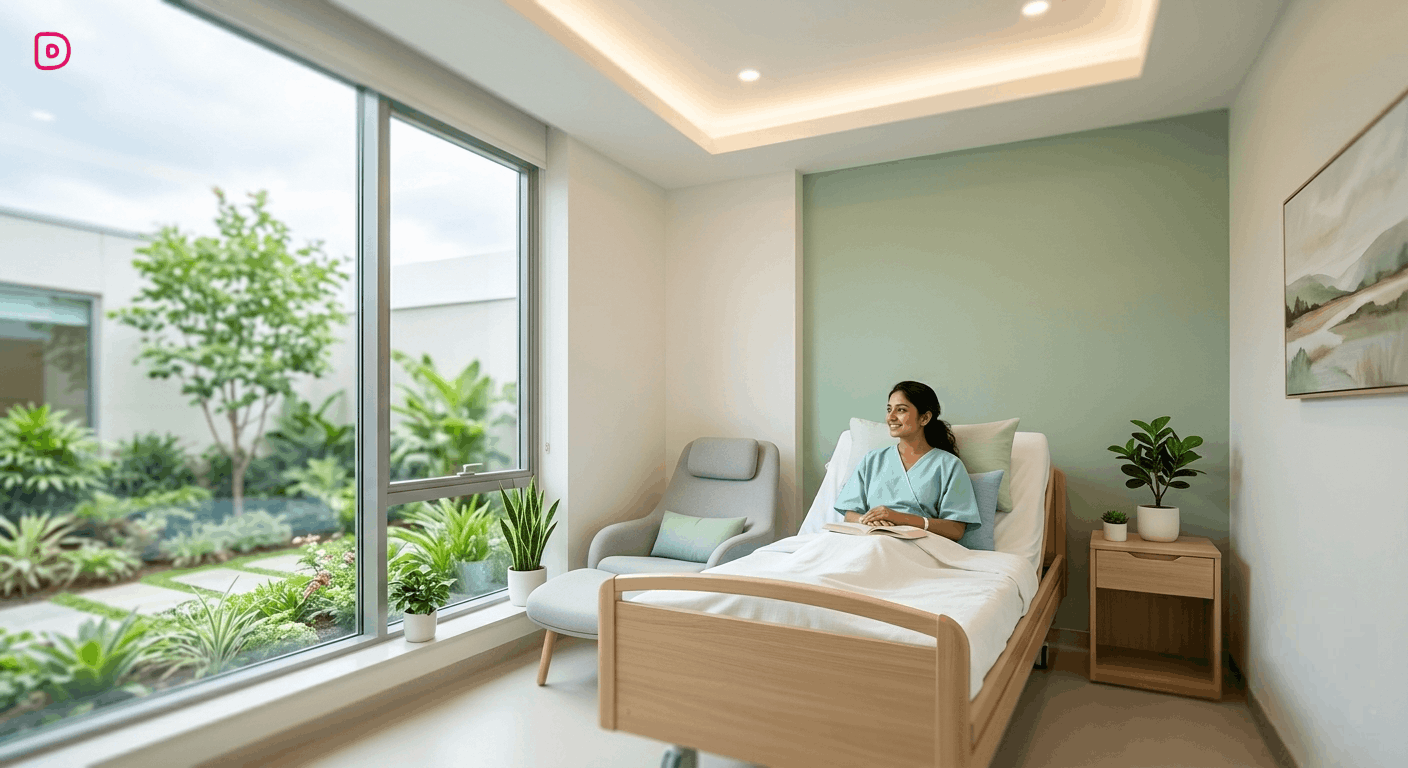
Humans have an innate connection to the natural world. Modern healthcare facilities are now integrating natural light, indoor plants, and views of greenery.
- The Recovery Benefit: Exposure to natural sunlight and nature-inspired elements lowers cortisol (stress hormone) levels and stabilizes blood pressure, allowing the body to focus its energy on healing.
2. The Science of Color Psychology
The traditional “all-white” clinical look can feel intimidating and sterile.
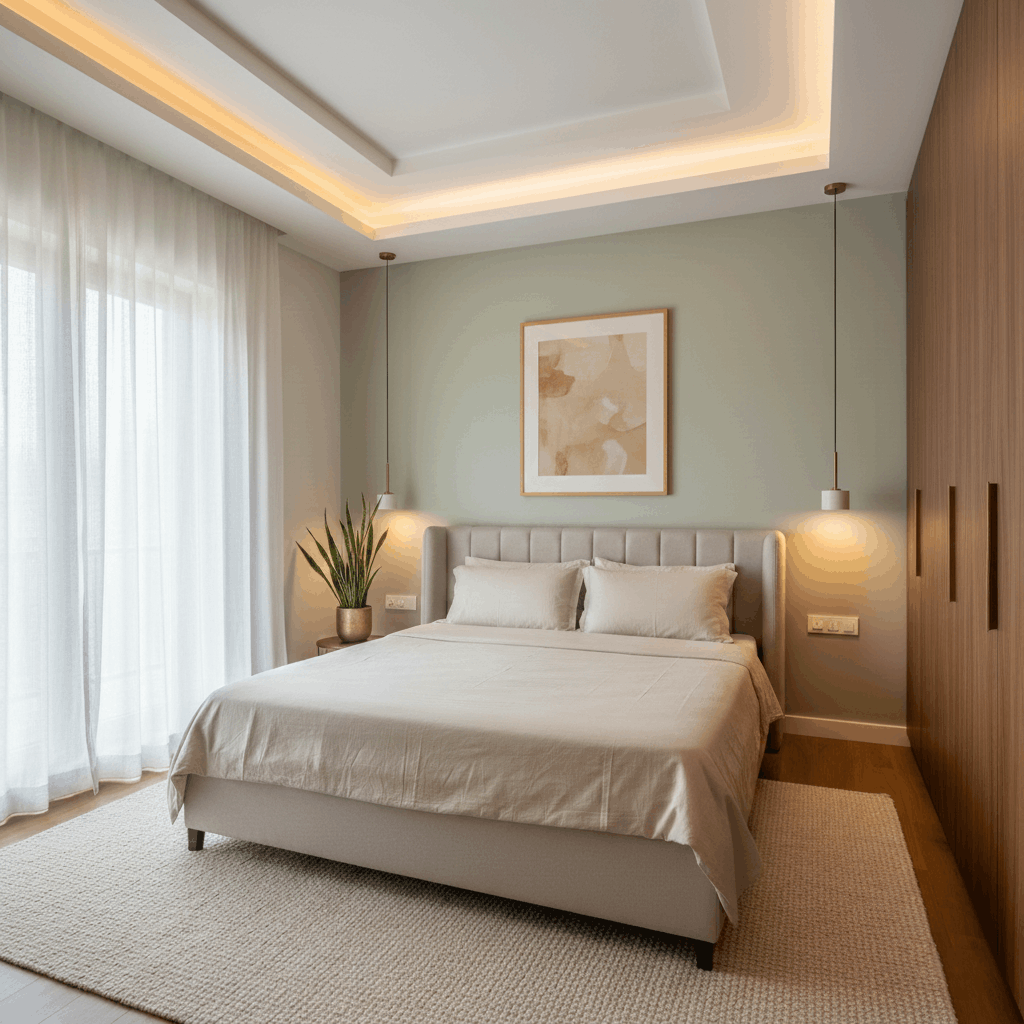
- The Modern Approach: We now utilize a palette of Pale Blue, Sage Green, and Warm Beige.
- The Impact: Soft blues and greens provide a cooling effect on the eyes and reduce patient anxiety, creating a serene atmosphere that promotes rest.
3. Acoustic Comfort: Noise Reduction
The constant beeping of machines and echoing footsteps in corridors can hinder a patient’s rest.
- Design Solution: By using sound-absorbing materials like acoustic ceiling panels and specialized vinyl flooring, we can significantly reduce noise pollution. A quiet environment ensures better sleep, which is the most critical factor in physical recovery.
4. Intelligent Lighting & Circadian Rhythm
Lighting has a direct impact on the human biological clock.
- The Strategy: Patient rooms should be equipped with lighting that mimics the natural day-night cycle—bright “Natural White” during the day and dim “Warm Yellow” in the evening. This prevents sleep cycle disruption and keeps the patient’s mood positive.
5. Stress-Free Wayfinding (Navigation)
Navigating a complex hospital layout can be overwhelming for patients and their families.
- The Solution: Clear signage, color-coded floors, and wide, open corridors instill confidence and reduce the “lost” feeling that contributes to hospital-induced stress.
Frequently Asked Questions (FAQs)
Q1. What is “Healing Architecture” in hospital design?
Healing Architecture refers to a design approach that focuses on the physical, psychological, and social needs of patients. It uses elements like light, sound, and color to create an environment that actively helps in the healing process.
Q2. Why are colors like Blue and Green preferred in hospitals?
Blue and Green are known as “recessive colors.” They are soothing to the nervous system, help lower heart rates, and provide a sense of security and calm compared to bright or stark white colors.
Q3. How does lighting affect recovery time?
Proper lighting regulates the body’s Circadian Rhythm. When patients have access to natural light during the day and soft light at night, their sleep quality improves, leading to faster tissue repair and mental well-being.
Q4. Can interior design help in reducing hospital-acquired infections?
Yes. Modern design prioritizes non-porous, antimicrobial surfaces and seamless flooring (like medical-grade vinyl) that prevent bacteria from growing in cracks, making the environment much safer and more hygienic.
Ready to Transform Your Healthcare Space?
Whether you are planning a new clinic or renovating a multi-specialty hospital, Design Jadugar is here to help you create a space that heals. We specialize in balancing clinical functionality with premium aesthetics.
Get in touch with us for a Professional Consultation:
[Contact Us Today to Book a Site Audit]