Skip to content
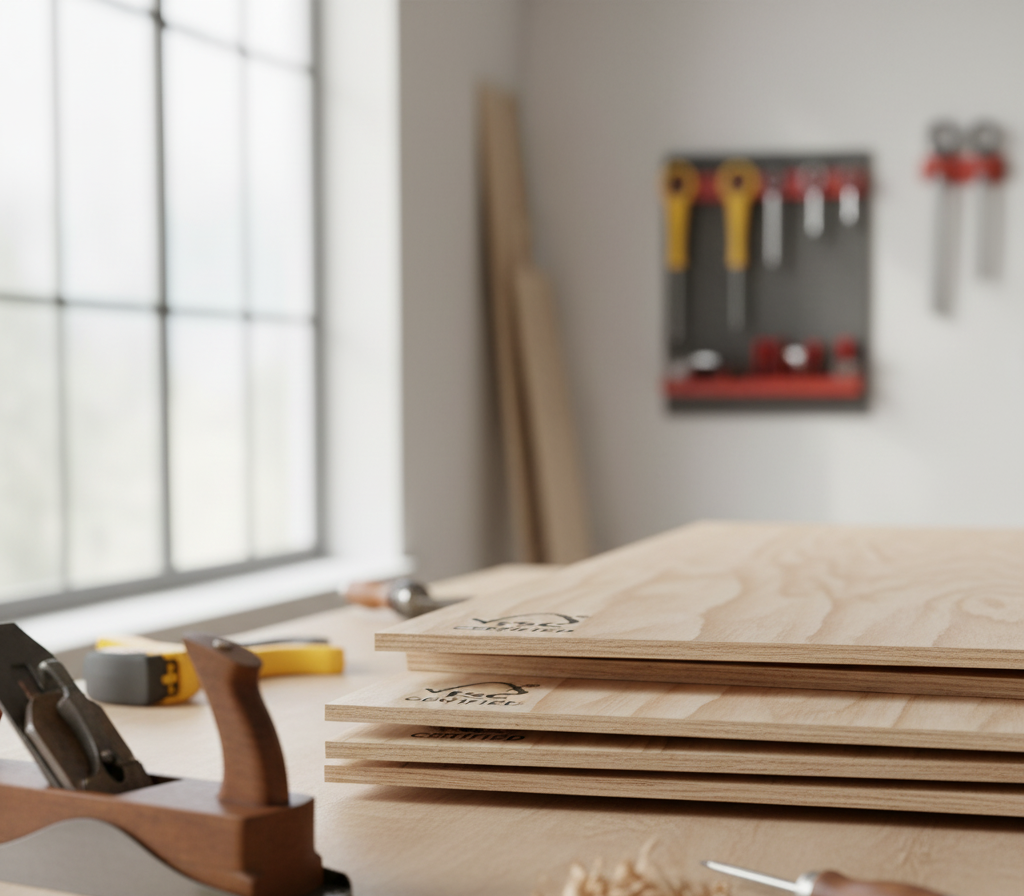
Eco-Plywood: Rise of Next-Gen Sustainable Boards
The interior design and construction industries are witnessing a major shift toward greener, smarter, and more responsible material choices — and at the center of this transformation is Eco-Plywood. As homeowners become more climate-aware and designers aim to reduce environmental impact, It has quickly emerged as a standout material that blends sustainability with high performance.
In this blog, we explore why Eco-Plywood is rising, how it differs from traditional plywood, and why it is poised to dominate modern interiors in 2025 and beyond.
What Is Eco-Plywood? Understanding the New Wave of Sustainable Boards
It refers to environmentally responsible plywood products created using sustainable timber, low-VOC adhesives, non-toxic treatments, and eco-certified manufacturing processes. Unlike traditional plywood — which often contains formaldehyde-based resins and can contribute to indoor pollution — It focuses on health safety, durability, and ethical sourcing.
Engineered with the modern homeowner in mind: people who want design excellence without compromising their living environment or the planet.
Why Eco-Plywood Is Becoming the New Standard
The rise of Itis not an isolated trend. It’s driven by:
1. Health Consciousness Among Homeowners
Families are increasingly aware of indoor air quality. Traditional plywood often emits harmful VOCs (volatile organic compounds). It eliminates this risk by using low-emission or zero-formaldehyde adhesives.
2. Sustainability Regulations & Certifications
India and global markets are rapidly adopting certifications like:
FSC (Forest Stewardship Council)
E0 / E1 emission ratings
CARB Phase II compliance
GreenPro
IGBC materials guidelines
Eco-Plywood naturally meets many of these standards.
3. Durability Without Toxins
Traditional plywood relies heavily on chemical treatments to resist moisture, borer, and fungus. It achieves this through natural resins, advanced manufacturing, and eco-friendly waterproofing processes.
Eco-Plywood vs Traditional Plywood: A Clear Comparison
| Factors | Eco-Plywood | Traditional Plywood |
|---|---|---|
| Adhesives | Low/Zero VOC, non-toxic | Formaldehyde-based |
| Sourcing | Sustainable, certified timber | Often non-certified |
| Indoor Air Quality | Safe, hypoallergenic | Emits VOCs |
| Durability | High strength, engineered balance | Varies by grade |
| Environmental Impact | Low | Moderate to high |
| Cost | Slightly higher | More affordable |
It may cost more initially, but the benefit of healthier interiors and long-term stability makes it a smarter investment.
How Eco-Plywood Is Manufactured: A Cleaner Process
uses:
Timber from sustainably managed forests
Natural or low-VOC adhesives
Water-based treatments for moisture resistance
Energy-efficient production systems
Manufacturers also optimize wastage, ensuring minimal environmental impact during the production cycle.
Where Eco-Plywood Works Best? (Applications in Modern Homes)
Eco-Plywood is versatile and suits almost all interior applications:
Modular Kitchens
- The non-toxic, moisture-resistant structure makes it ideal for cooking areas.
Wardrobes
- Ensuring safe air in bedrooms, especially for children.
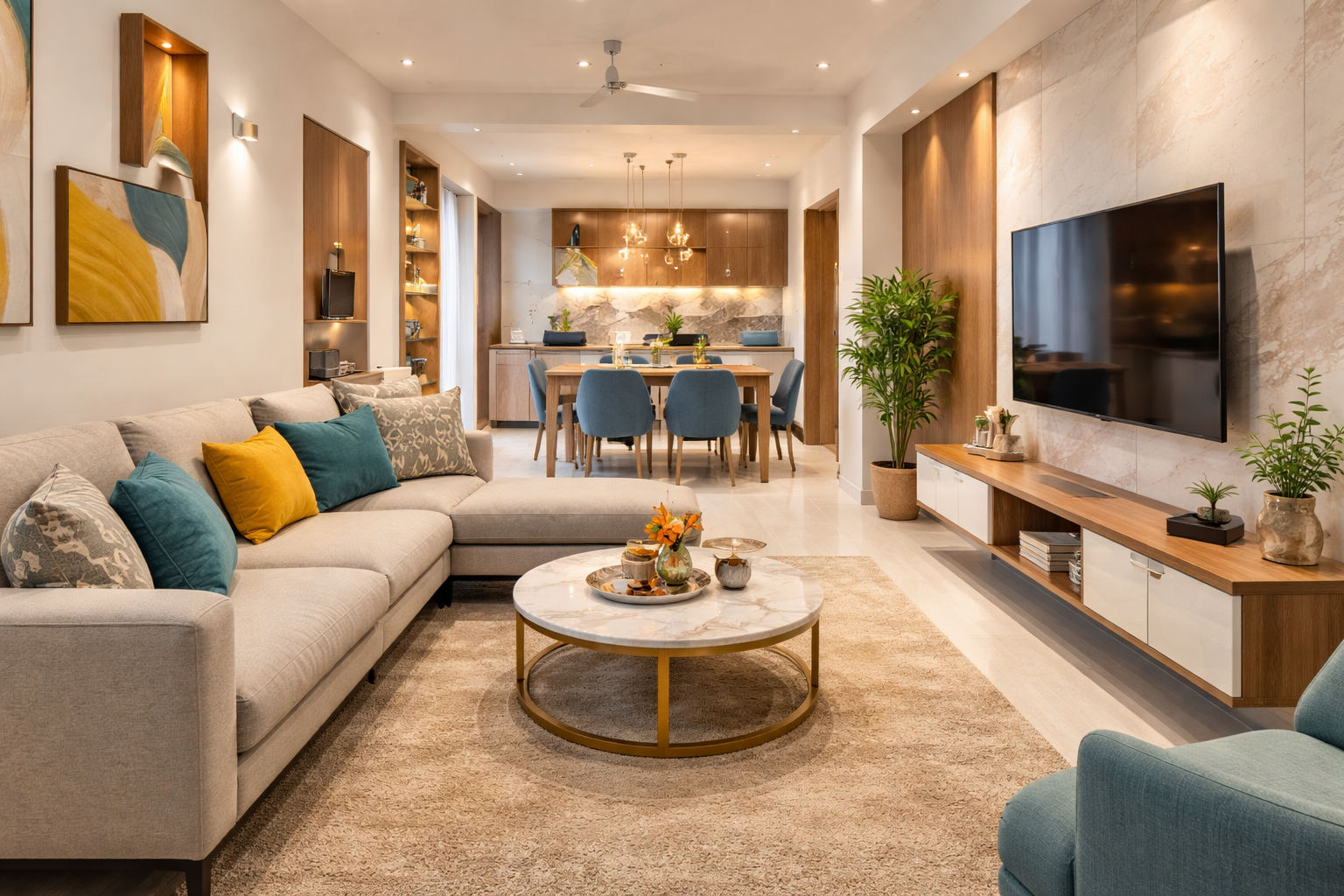
TV Units & Living Rooms
- Eco-friendly panels match beautifully with laminates, veneers, or paints.
Study & Office Furniture
- Perfect for long hours in enclosed spaces.
Wall Paneling
- A greener choice for decorative surfaces.
Bed Structures
- Ensures long-lasting stability with minimal environmental impact.
The Rise of Bio-Based Adhesives
One of the biggest innovations is the shift from chemical adhesives to bio-based resins, such as:
Soy protein adhesives
Lignin-based resins
Waterborne glue systems
These adhesives not only reduce toxicity but also increase plywood flexibility and bonding strength.
Contribution to Green Homes
It supports India’s growing movement toward:
Net-zero homes
IGBC-certified green buildings
Sustainable hospitality interiors
Environmentally responsible home renovations
Homeowners seeking green certifications can earn points simply by choosing materials like this.
Market Growth in 2025: Why Demand Is Surging
Several factors will accelerate Its adoption in 2025:
1. Urban Housing Trends
Compact homes and premium interiors require higher-quality plywood.
2. Global Environmental Commitments
Designers and architects must comply with carbon reduction goals.
3. Educated Consumers
Homeowners actively research material safety and performance.
4. Premium Real Estate Marketing
Builders highlight “eco-friendly materials” as a selling point, and It fits perfectly into this narrative.
Types of Eco-Plywood Available in India
| Eco-Plywood Variant | Features |
|---|---|
| E0 Emission Plywood | Near-zero formaldehyde, ideal for homes |
| FSC-Certified Plywood | Responsibly sourced timber |
| Bio-Resin Bonded Ply | Non-toxic adhesives, fully eco-safe |
| Recycled Timber Ply | Upcycled materials, ultra-sustainable |
| Bamboo-based Ply | High strength, beautiful finish |
How to Identify Genuine Eco-Plywood (Avoiding Fake Claims)
Look for:
FSC certification
E0/E1 emission rating
GreenPro label
CARB compliance
Manufacturer testing reports
Visible stamp on the sheet
Avoid plywood advertised as “green” without certification — many such products are misleading.
Benefits of Using It in Modern Interiors
1. Better Indoor Air Quality
Reduces allergies, headaches, and long-term respiratory risks.
2. Environmentally Responsible
Supports global sustainability goals.
3. Superior Durability
Eco-engineered layers perform better over time.
4. Moisture & Termite Resistance
Achieved through safe treatments, not harsh chemicals.
5. Premium Finish & Strength
Works well with laminates, veneers, and textures.
Is Eco-Plywood Worth the Investment?
Yes — especially for:
Families with kids
People with allergies
Compact apartments
Premium homes seeking long-term value
Designers aiming for IGBC/LEED recognition
The slight price difference is easily justified by the health, environmental, and durability benefits.
Future of Eco-Plywood in India (2025 & Beyond)
It is expected to dominate the plywood category due to:
Rising eco-awareness
Government sustainability policies
Growth in luxury home interiors
Advances in bio-based adhesive technology
It is not just a trend — it is the future of responsible interior construction.
Related Post
Ready To Transform Your Dream Space?
Get a free Consultation