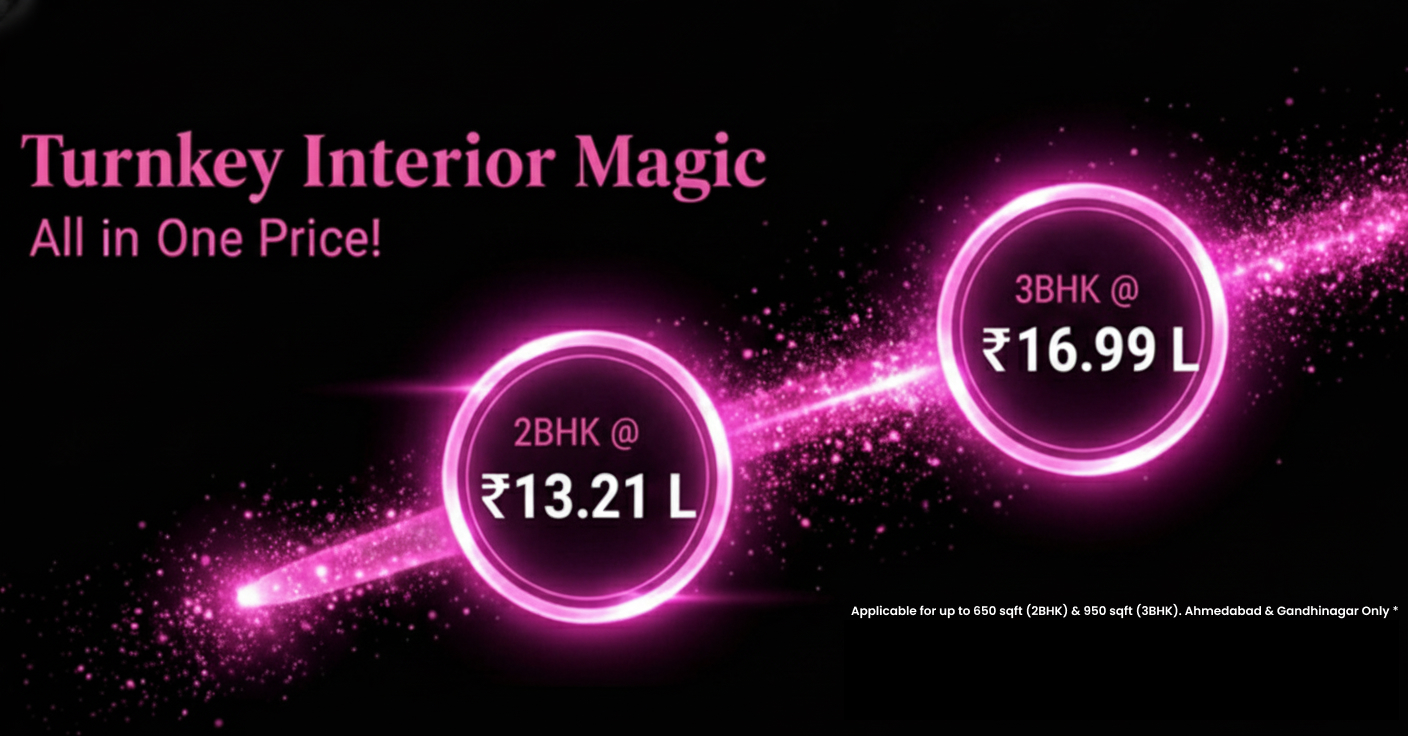
2025 Year-End Interior Design Price Guide: What Ahmedabad Homeowners Should Know
2025 Year-End Interior Design Price Guide: What Ahmedabad Homeowners Should Know Understanding the 2025 Interior Design Price Guide is essential for every Ahmedabad homeowner planning to renovate or start turnkey interiors this year. As 2025 progresses toward its final quarter, the home interior market in Ahmedabad and Gandhinagar has seen noticeable price adjustments, lifestyle-driven upgrades, and new material trends that directly affect the overall project budget. Whether you own a 2BHK, 3BHK, villa, or studio apartment, knowing the updated cost structure can help you plan smart, avoid surprises, and ensure you get genuine value for the money you invest. This comprehensive guide breaks down the latest 2025 year-end interior design pricing, explains cost factors, and helps you understand exactly what to expect before beginning your project. The Changing Interior Design Landscape in Ahmedabad (2025 Overview) The interior design industry in Ahmedabad is evolving faster than ever. With the rise of premium homes in Shela, Shilaj, GIFT City, Science City Road, and Chandkheda, customer expectations have significantly shifted. Homeowners no longer want basic carpentry—they want functional modular designs, branded materials, smart features, and clean, detail-oriented finishing. This shift in demand has directly influenced pricing. While budgets used to remain stable for years, 2025 has shown that interior costs can change based on material inflation, global supply trends, and lifestyle upgrades. This blog helps decode those changes while keeping Ahmedabad homeowners fully informed. Why Year-End 2025 Prices Matter Toward the end of the year, prices become clearer because the industry has stabilized after mid-year fluctuations. Many suppliers revise rates, contractors update their labor charges, and turnkey companies finalize packages for the upcoming year. Year-end pricing also gives homeowners the most accurate budget for: New property possession Festive-season buying Renovation planning Last-quarter house warming deadlines Investment property interiors Therefore, understanding the 2025 Interior Design Price Guide at this stage helps you plan ahead strategically. Updated Interior Design Price Range for Ahmedabad (2025 Year-End) Below is a clean and updated estimate of year-end pricing for common interior design categories. These values reflect the average turnkey rates followed by professional companies in Ahmedabad. Turnkey Interior Packages (2025 Year-End) Home Type Pricing (2025 YE) Notes 2BHK Turnkey Package ₹13.5–14.2 Lakh For homes up to ~750 sq ft usable area 3BHK Turnkey Package ₹17–19 Lakh For homes up to ~950 sq ft area 4BHK/Villa Interiors ₹28–40 Lakh Highly design-dependent Turnkey packages include furniture, modular kitchen, wardrobes, electrical work, false ceiling, fabrication, painting, and basic civil work. Modular Kitchen Pricing (2025) Modular kitchens have seen one of the highest upgrades in both material and hardware selections. Category Price Range Basic Modular Kitchen ₹1.6–2.0 Lakh Mid-Range (Acrylic/PU) ₹2.2–3.2 Lakh Premium (Imported Hardware) ₹3.5–5.5 Lakh Wardrobe Costing 2025 Wardrobe prices depend on shutter finish, internal layout, and sliding/openable options. Type Cost per Wardrobe Laminate Finish ₹55,000–90,000 Acrylic Shutters ₹85,000–1.3 Lakh Glass / Fluted ₹95,000–1.6 Lakh Sliding Wardrobes ₹1.1–1.8 Lakh What’s Causing the Price Change in 2025? Apart from standard inflation, some specific factors are pushing interior prices upward in Ahmedabad and Gandhinagar. Instead of listing everything as bullets, let’s break it down in natural paragraphs so it reads smoothly. 1. Material Cost Inflation Across 2025, plywood, laminate, veneer, and hardware prices increased due to global supply chain changes. Imported acrylic sheets, premium laminate textures, and German hardware brands have seen additional surcharges. This directly affects modular kitchen and wardrobe budgets. 2. Labor Costs Have Stabilized at Higher Levels Skilled carpenters, gypsum installers, electricians, and polishers have increased their pricing due to high demand. Since turnkey firms depend on reliable, trained teams, these costs become a permanent part of the price structure. 3. Rise in Premium Material Preferences Modern homeowners are increasingly choosing soft-closing hardware, PU or acrylic finishes, profile lighting, sensor-based fittings, and designer panels. These finishes improve the overall feel of the home but also increase costs. 4. Higher Demand for Smart + Mood Lighting Track lights, COB lights, LED profiles, and automation systems are now common. These add-on features were considered luxury earlier but are standard in 2025 homes. 5. Faster Delivery Expectations Clients want full home interiors completed in 45–60 days. To achieve such timelines, companies use parallel teams, factory-finished materials, and advanced tools—adding to overall pricing. Cost Breakdown for a Typical 2BHK Turnkey Home (2025 Year-End) Below is a realistic sample breakdown reflecting the current Ahmedabad market: Component Estimated Cost Modular Kitchen ₹1.7–2.8 L Bedrooms Wardrobes ₹2.0–3.5 L TV Unit + Living Furniture ₹1.1–2.2 L False Ceiling ₹85k–1.5 L Electrical Work ₹65k–1.1 L Painting ₹40k–90k Bathroom Storage + Glass ₹35k–75k Minor Civil Work ₹30k–60k Total Estimated Range ₹13.5–14.2 L This perfectly aligns with the 2BHK turnkey pricing updated for year-end 2025. What Homeowners Should Expect in Late 2025 & Early 2026 As we approach 2026, interior design prices are expected to remain stable but not drop. If anything, slight increases may happen due to global factors or regional demand spikes. Ahmedabad’s rapid real estate development means more homeowners demand premium finishing, which sets a new baseline for pricing. 1. Higher Emphasis on Durability People now want long-term interiors with 10+ years of life. Cheap carpentry is becoming obsolete. 2. Modular & Semi-Modular Trend Growth Factory-finished modules ensure precision and faster installation. 3. More Demand for Smart Homes Even budget clients ask for Alexa/Google-controlled lighting. 4. Rise of Minimal + Functional Designs Clutter-free designs with hidden storage and clean lines dominate 2025. 5. Increased Need for Space Optimization 2BHK and compact apartments in Ahmedabad need thoughtful planning—especially in areas like Shela, Shela Extension, Gota, and Tragad. How to Save Money Without Compromising Quality Price increases don’t mean you have to overspend. The trick is making strategic choices. Choose branded plywood over premium laminates first Structure matters more than finish. Avoid unnecessary fluted or designer wall panels Use them only on key walls, not throughout the home. Go with standard hardware instead of fully imported systems Many Indian brands now offer high quality at lower prices. Stick to a clear priority list Kitchen → Wardrobes → Electrical
Why Interior Design Prices Increased in Late 2025: Ahmedabad Market Analysis
Why Interior Design Prices Increased in Late 2025: Ahmedabad Market Analysis Understanding Interior Design Prices 2025 Ahmedabad has become essential for homeowners planning renovations or turnkey interior projects. Over the past few months, Ahmedabad has witnessed a noticeable surge in home interior costs, surprising both new property buyers and those renovating existing homes. But these price changes are not random—they are driven by clear market factors, material price fluctuations, new lifestyle demands, and shifts in design expectations. This detailed market analysis explains the real reasons behind the rise in interior design prices in late 2025, helping homeowners make informed decisions and plan their budgets smartly. The Ahmedabad Interior Market in Transformation Ahmedabad has always been one of India’s fastest-growing urban hubs, but 2025 brought unprecedented growth in both residential real estate and premium interior design demands. With new societies emerging in areas like Shilaj, Shela, Science City, South Bopal, Gota, Chandkheda, and Gift City Gandhinagar, the need for turnkey interior solutions has surged. Homes today are no longer simple functional spaces—they are well-designed, clutter-free, storage-efficient, and personalized living environments. This shift is a major contributing factor to the rise in overall interior design pricing in the region. Key Factors Behind the Increase in Interior Design Prices in Late 2025 Below is a complete Ahmedabad-focused breakdown of what’s pushing interior design costs upward. 1. Material Cost Inflation One of the biggest reasons for the jump in prices is the rise in material costs across India, especially in Gujarat. Materials like plywood, laminates, veneers, acrylic sheets, glass, hardware, gypsum, electrical items, and tiles have all become more expensive. Material Price Hike Table (2024 → Late 2025) Material Type Avg. Cost in 2024 Avg. Cost in Late 2025 % Increase Plywood (Marine Grade) ₹90–110/sq ft ₹120–145/sq ft 18–22% Laminates (1mm) ₹900–1600/sheet ₹1200–2000/sheet 15–20% Hardware (Soft-Closing Accessories) Standard pricing Increased significantly 12–18% False Ceiling (Gypsum) ₹95–110/sq ft ₹125–145/sq ft 20–25% Electrical Fittings ₹300–600 ₹450–900 20–30% Increasing transportation, import dependency on certain laminates, and higher manufacturing costs are the primary reasons for this inflation. 2. Labour Charges Are Higher Than Ever Ahmedabad’s construction and interior workforce has become more specialized in the last few years. Skilled carpenters, fabricators, electricians, and polishers now charge significantly more due to: High demand for premium finishes Reduced availability during peak project seasons Increase in cost of living Rise in technical craftsmanship Labor charges haven’t just increased—they’ve become more standardized, especially in professional turnkey companies. This ensures quality but raises the overall project cost. 3. Surge in Premium Home Designs 2025 has brought a clear shift in what clients expect. Homeowners prefer: Soft-closing German hardware Acrylic / PU finish shutters Glass wardrobes Concealed storage systems Smart lighting Sensor-based fittings Engineered stone countertops Fluted panels and designer wall cladding These premium upgrades increase the aesthetic value but also push the overall cost higher. 4. Demand for Full Turnkey Solutions Earlier, clients used to hire carpenters independently and coordinate with painters, electricians, and polishers. But now, the trend has shifted strongly toward full turnkey interior design packages in Ahmedabad. Turnkey packages are more reliable but include: Project management Multiple skilled teams Material procurement Quality control On-site supervision Warranty packages With these included benefits, the price naturally increases. 5. Faster Delivery Expectations Modern homeowners expect faster finishing timelines—sometimes even within 45–60 days. To meet this speed, companies must: Increase workforce Use factory-made modular materials Maintain buffer stock Avoid downtime These operational upgrades add to the final project pricing. 6. Rising Real Estate Costs in Ahmedabad As home prices rise in Ahmedabad and Gandhinagar, buyers are spending more on high-quality interior design to match their premium investment. Areas witnessing the highest demand: Region Trend Shilaj Premium interior requests Shela Maximum turnkey enquiries Bopal Modular kitchen + wardrobe focus Gota Mid-budget yet modern designs Chandkheda Full-home renovation projects Gift City Luxury interiors with imported materials When buyers invest in higher-priced homes, they naturally prefer better materials and finishes. This pushes the cost of interiors upward. 7. Increased Focus on Smart Homes & Lighting Interior design in 2025 is incomplete without advanced lighting and automation. Homeowners now request: COB lights Magnetic track lights LED profile lights Smart switches Connected home systems (Alexa/Google Home) Mood lighting setups These features were rare in 2022-23 but have become standard in 2025, adding a new cost layer. 8. High Demand During Festive & Seasonal Periods In Ahmedabad, the peak interior season falls between: January to May September to December High demand leads to increased pricing due to: Material shortage Limited skilled labor availability Urgent delivery surcharges Late 2025 saw festive season demand overlapping with real estate possession handovers—another factor responsible for price hikes. 9. Stricter Design Standards & Quality Checks Turnkey brands like Design Jadugar follow advanced quality benchmarks: Only branded plywood Anti-bend laminates Soft-close hinges and channels Machine-finished cutting and edging Waterproof materials for wet areas Polishing in dust-free environments Higher QC (quality control) means more durability and better finishing—but it also increases costs. 10. Focus on Long-Term Value Rather Than Short-Term Savings Homeowners are now more aware that cheap interiors cost more in the long run because: Lower-grade plywood bends Local laminates peel Basic hardware fails Poor polish fades Improper electrical work causes issues In 2025, investing in long-lasting materials and branded fittings has become a trend, which naturally increases overall pricing. Ahmedabad Interior Price Trend Comparison (2024 vs Late 2025) Category 2024 Price Range Late 2025 Price Range Modular Kitchen ₹1.2–2.5 L ₹1.6–3.2 L Wardrobes ₹1.1–2.8 L ₹1.5–3.6 L False Ceiling ₹60k–1.2 L ₹85k–1.65 L Living Room Furniture ₹1.2–3 L ₹1.8–4.2 L Turnkey 2BHK Package ₹10–12 L ₹13–14 L Turnkey 3BHK Package ₹14–16 L ₹17–19 L This table clearly reflects a 15–25% rise across most categories. What Should Homeowners Do in 2025? Instead of worrying about price hikes, homeowners should focus on smart planning.Here are practical suggestions: Plan your interiors early Avoid last-minute rush during festive or possession seasons. Go with trusted turnkey providers They provide transparency, warranties, and durability. Avoid unnecessary luxury add-ons Focus on
Interior Design Price Update 2025: Latest Turnkey Costs for Ahmedabad & Gandhinagar
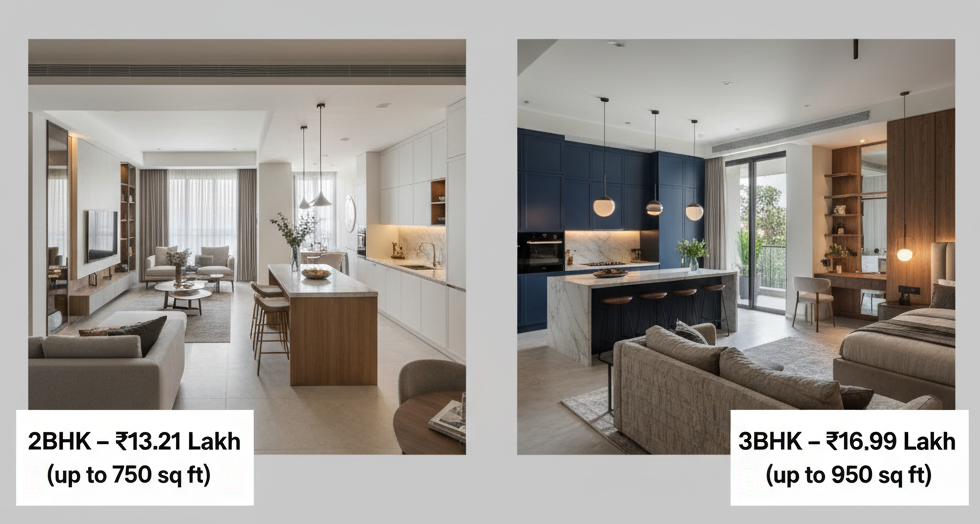
Interior Design Price Update 2025: Latest Turnkey Costs for Ahmedabad & Gandhinagar When it comes to planning a complete home transformation, understanding the updated cost structure is essential. This Interior Design Price Update 2025 gives homeowners in Ahmedabad and Gandhinagar a transparent, realistic, and well-explained view of what to expect when opting for turnkey interior design services. With rising material costs, updated labor charges, and premium demand for personalized designs, Design Jadugar has revised its pricing to ensure superior quality, better craftsmanship, and long-term durability. In this blog, we dive deep into the latest turnkey pricing for 2BHK and 3BHK homes, what’s included, why prices have changed, and how homeowners can get the best value from their investment in interior design. Why an Interior Design Price Update Was Needed in 2025? The interior design industry has undergone significant shifts over the past few months. Materials that were once stable in price—like plywood, laminates, and hardware—have seen substantial hikes due to global supply chain disruptions. Additionally, customer expectations have evolved toward more customized, multi-functional, and premium-grade interior solutions. For cities like Ahmedabad and Gandhinagar, where the real estate market is expanding rapidly, turnkey interior design demands have increased sharply. Homes are becoming more contemporary, storage-focused, and experience-driven, which requires higher-quality materials and expert labor. Updating the pricing ensures: Better quality assurance Use of branded materials only (no local substitutes) Premium finishing and detailing Skilled and specialized workforce More transparency for clients planning new projects Updated Turnkey Interior Design Pricing for 2025 Design Jadugar is committed to offering budget-friendly yet premium turnkey home interior packages. Below is the newly updated pricing for 2025. 2025 Turnkey Package Pricing (Ahmedabad & Gandhinagar) Home Type Carpet Area Updated 2025 Price Package Includes 2BHK Up to 750 sq. ft. ₹13.21 Lakh Modular Kitchen, Wardrobes, TV Unit, Beds, False Ceiling, Lights, Electrical, Painting & More 3BHK Up to 950 sq. ft. ₹16.99 Lakh Full Home Modular Work, Furniture, False Ceiling, Décor, Electrical, Bathroom Work & More These packages are ideal for homeowners seeking a complete end-to-end interior transformation without worrying about coordinating carpenters, electricians, painters, vendors, or quality checks. What’s Included in Design Jadugar’s Turnkey Packages? To help homeowners understand the value of the updated pricing, here is a detailed breakdown of what you get. 1. Modular Kitchen (Premium Finish) Soft-close channels Branded plywood Hinges and fittings from top brands Upper & lower cabinets Chimney & light installation Design Jadugar’s 2025 modular kitchens come with improved durability and heat resistance to support long-term usage. 2. Bedroom Furniture & Storage Sliding or hinged wardrobes Bed with hydraulic storage Side tables Dressing unit Loft storage Storage optimization is a major focus in 2025 due to shrinking apartment sizes. 3. Living Room Essentials TV unit Crockery unit Shoe rack Decorative wall paneling Accent textures Living rooms are now designed to be multi-purpose spaces, balancing function and aesthetics. 4. False Ceiling with Lighting Gypsum false ceiling for all rooms Spotlights, COBs, LED strips Enhanced lighting design Premium lighting greatly elevates the overall mood and visual appeal of your home. 5. Electrical Upgrades Switchboard upgrades Wire replacements (if required) Fancy lights installation Fan, AC & geyser points 6. Painting & Finishing Putty work Primer & enamel Royal-grade painting options 7. Bathroom Revamp (Included in 3BHK Package) Vanity units Mirrors Glass partition (optional add-on) Premium fittings installation Why Have Turnkey Interior Design Prices Increased in 2025? Interior design pricing is influenced by multiple factors, and 2025 has seen a noticeable rise. Below are the most significant reasons: 1. Material Cost Inflation Plywood, laminates, hardware, and electrical components have seen price increases of 10–18%. 2. Skilled Labor Cost Hike Due to higher demand and evolving design standards, labor charges have increased by 15–20%. 3. Higher Demand for Premium Designs Clients now prefer: Soft-close hardware Imported laminates Integrated lighting Smart storage solutions Premium finishes These enhancements naturally elevate the overall cost. 4. Increased Customization Requirements Every home has unique needs—custom wardrobes, hidden storage, modular arrangements, etc. Custom fabrication leads to more time and labor involvement. 5. Inflation in Transportation & Logistics Material transport, delivery, and on-site logistics have also contributed to price adjustments. How the Updated 2025 Pricing Benefits Homeowners Even though the prices have increased slightly, the value has increased significantly. Homeowners now get: Higher Material Quality A-grade plywood, waterproof laminates, and branded hardware. Better Design Durability Improved structural strength and finishing. Transparency & No Hidden Costs Clear package breakdown with on-site updates. Faster Project Completion Optimized workforce planning reduces delivery delays. One-Stop Solution No need to coordinate different vendors—Design Jadugar handles everything. Comparison: 2024 vs 2025 Interior Design Pricing Feature 2024 Packages Updated 2025 Packages Material Quality Standard plywood & laminates Premium-grade, long-life materials Hardware Basic soft-close Global-brand hinges & channels False Ceiling Partial Complete home false ceiling Warranty Limited Enhanced warranty packages Lighting Design Basic lights Layered lighting with COBs & strips Customization Limited Full customization included Price Lower Slightly higher but more value Who Should Consider the Updated 2025 Turnkey Packages? These packages are ideal for: New homeowners shifting into 2BHK or 3BHK flats Families looking for complete home renovation NRIs investing in property in Ahmedabad or Gandhinagar Rental property owners who want premium interiors at fixed costs Design Jadugar’s updated 2025 pricing ensures that clients get premium interiors at structured pricing, without deviation or unexpected add-ons. Tips to Save Money While Designing Your Home in 2025 1. Choose a Turnkey Solution Instead of Hiring Multiple Vendors This reduces cost leakage, material wastage, and delays. 2. Prioritize Essential Rooms First Kitchen + bedrooms should be completed first. 3. Avoid Over-Experimenting With Imported Materials Indian premium materials are equally durable and budget-friendly. 4. Stick to Clean, Functional Designs Minimalism reduces cost and increases long-term value. 5. Plan Electrical Points Early Changing wiring later adds unnecessary expense. Conclusion The Interior Design Price Update 2025 reflects the evolution of interior design standards, material quality, and consumer expectations. With updated turnkey pricing—₹13.21 Lakh for 2BHK and ₹16.99 Lakh for 3BHK homes—Design Jadugar ensures a
Multi-Sensory Bathrooms: Aroma + Light + Texture for 2025 Wellness Living
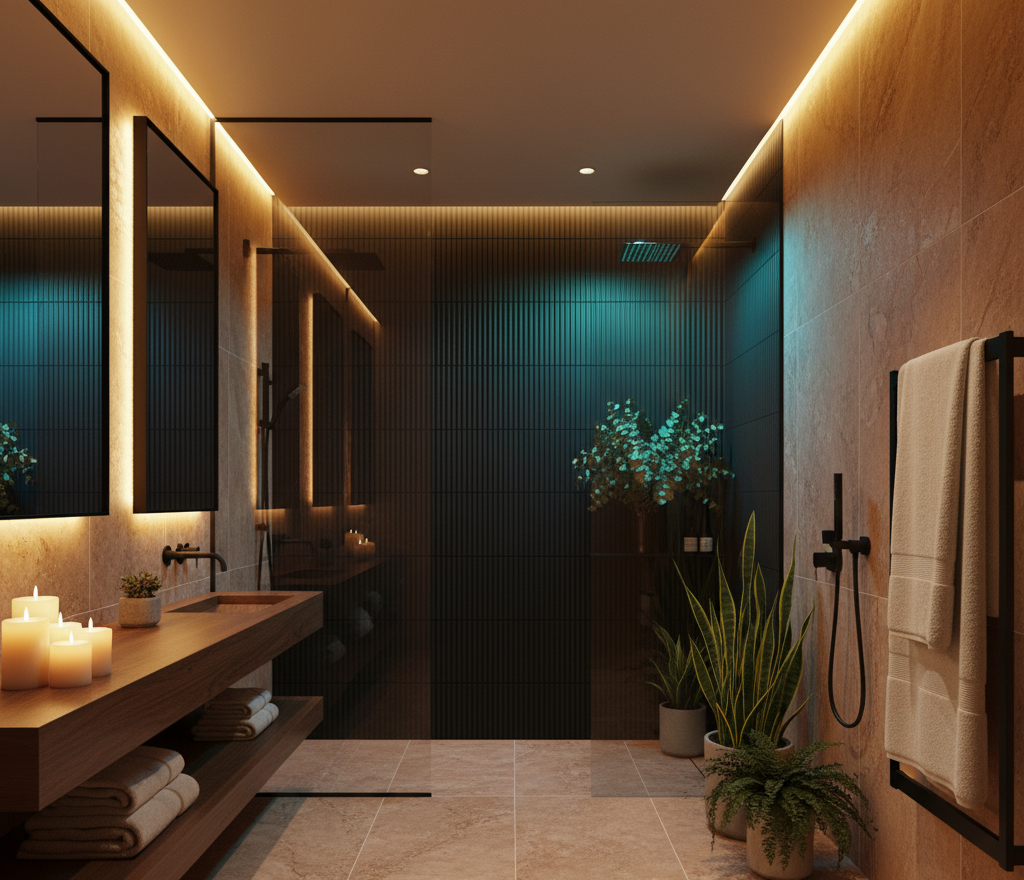
Multi-Sensory Bathrooms: Aroma + Light + Texture for 2025 Wellness Living Multi-Sensory Bathrooms are becoming a revolutionary design trend in 2025, transforming basic washrooms into immersive wellness retreats. Homeowners today want their bathrooms to offer more than utility—they want them to awaken the senses through aroma, lighting, textures, sound, and touch. Multi-Sensory Bathrooms create an environment where stress melts away, and luxury meets daily routine. In this blog, we explore how the combination of aromatherapy, light design, and tactile materials can elevate the bathing experience dramatically. Why Multi-Sensory Bathrooms Are the Future of Home Wellness Modern homes are no longer defined by just aesthetics; they are shaped by emotional experiences. With rising stress levels, long work schedules, and fast lifestyles, people are prioritizing bathrooms as private sanctuaries. Multi-Sensory Bathrooms connect the user emotionally with the space by stimulating senses in a balanced and soothing way. This design trend goes beyond glamorous looks. It focuses on how you feel the moment you step inside. When aromatherapy calms your mind, soft lighting warms your mood, textured flooring grounds your feet, and warm water envelopes your senses—you are no longer in a bathroom. You are inside a personal spa. The Three Pillars of Multi-Sensory Bathrooms Although multi-sensory design can include sound, temperature, and even digital controls, the three core pillars that homeowners love most are aroma, light, and texture. Let’s explore them in detail. Aromatherapy: How Scents Transform Your Bathroom Mood Aromas are powerful triggers for emotional wellbeing. The right fragrance can lower anxiety, reduce stress, improve focus, or create relaxation. Multi-Sensory Bathrooms use essential oils, diffusers, eucalyptus sprigs, and scented candles as part of everyday wellness. Popular Fragrances for Bathroom Experiences Lavender – enhances relaxation Eucalyptus – clears the mind and refreshes Sandalwood – creates a luxurious, grounded environment Lemongrass – energizing and uplifting Tea Tree – purifying and crisp But the key is balance. The aroma should be subtle, never overpowering. Best Aromatherapy Enhancements Homeowners are moving beyond traditional reed diffusers and incorporating: Essential oil steam showers Scent-integrated showerheads Herbal ceiling hangers Aromatic bath bombs Organic incense cones Scented mood candles The aim is to create a personalized olfactory experience that changes with your daily mood. Lighting: The Most Important Sensory Element in Bathrooms If aroma affects your emotional state, lighting affects your psychological mood. Multi-Sensory Bathrooms rely on layered lighting systems to create soothing, spa-like environments. Light Layers Used in Multi-Sensory Bathrooms Ambient Lighting – soft glow to set the tone Task Lighting – mirrors, vanity lights Accent Lighting – highlighting textures or art Chromotherapy Lighting – color-based mood therapy Color Psychology in Bathroom Lighting Light Color Mood Effect Warm White Comfort, calm Soft Yellow Relaxation Cool White Freshness, clarity Blue Stress relief Green Balance and harmony Pink Soft emotional release Purple Luxury and deep relaxation Smart technologies now allow users to select light colors based on mood with just a tap on the phone or voice command. Textures: The Power of Touch in Multi-Sensory Bathrooms Textures form the tactile foundation of a Multi-Sensory Bathroom. How a surface feels influences your sense of comfort, grounding, and luxury. Top Textural Materials Used in 2025 Bathrooms Natural stone (travertine, marble, river stone) Textured tiles (fluted, ribbed, 3D) Warm wooden vanities Matte black or brushed metal fittings Soft cotton & bamboo towels Pebble or grainy flooring When all textures are chosen intentionally, even the smallest bathroom can feel like a high-end wellness space. How Multi-Sensory Bathrooms Enhance Wellness Key Benefits: Reduction in daily stress Better sleep through nighttime aromatherapy Increased morning energy with chromotherapy Improved mental clarity Luxury bathing experience without needing a spa Encourages slow living and mindfulness Elevates property value These benefits explain why homeowners and designers prioritize multi-sensory features in 2025. Designing a Multi-Sensory Bathroom: Step-by-Step This section explains how to design the perfect sensory bathroom with balance, not overwhelm. 1: Start with Lighting Foundation Lighting sets the overall mood. Begin by deciding: Whether you want warm or cool dominance How many lighting layers are needed Whether you want chromotherapy lights in the shower or bath A dimmable setup is recommended for maximum flexibility. 2: Layer With Aromas Naturally Use natural fragrances and avoid harsh chemical scents.You may include: Shower steam pods Wall-hung eucalyptus Under-sink essential oil diffuser Scented candles (soy, natural oils) Remember: the aroma should feel organic. 3: Bring in Complementary Textures Textures should balance sensory effects—not compete with them.For example: If the walls have textured tiles, choose smooth cabinetry. If you use a stone basin, choose soft linens to balance the rugged material. The goal is harmony across surfaces. 4: Add Water-Based Sensory Elements Water itself becomes a sensory tool in Multi-Sensory Bathrooms. Options include: Rain showers Multi-pressure jets Hot stone shelves Deep soaking tubs Steam-based showers Waterfall taps Each one enhances the physical experience through sound, touch, and temperature. 5: Combine Smart Tech With Natural Wellness Smart features include: Voice-controlled lighting Auto-scent diffusers Heated towel racks Temperature-adjustable flooring Anti-fog mirrors Smart bath filling The idea is to merge convenience with organic relaxation. Materials That Define Multi-Sensory Bathrooms Below is a comparison table of materials and their sensory function: Material Sensory Benefit Natural stone Earthy grounding Bamboo Soft warmth Matte metal Tactile elegance Pebble flooring Foot reflexology Fluted tiles Visual softness + texture Wood veneer Organic warmth Frosted glass Light diffusion A perfect multi-sensory design uses a mix of 3–4 materials for balance. Scent + Light + Texture Combinations That Work Best These combinations create powerful experiences: 1: Spa Retreat Lavender aroma Warm white lighting Smooth stone textures 2: Zen Morning Boost Eucalyptus aroma Cool white or soft blue light Fluted ceramic textures 3: Luxury Escape Sandalwood aroma Soft golden lighting Brushed brass textures 4: Tropical Refresh Lemongrass aroma Sun-warm yellow lights Rough stone flooring Sound: The Fourth Sense You Can Include Although not mandatory, many Multi-Sensory Bathrooms now integrate sounds such as: Soft rain soundscapes Ocean waves Meditation music Gentle wind chimes Waterfall sound diffusion Hidden speakers in ceilings or mirrors create immersive audio without
Japandi-Indian Fusion Interiors: The New Cultural Interior Trend of 2025
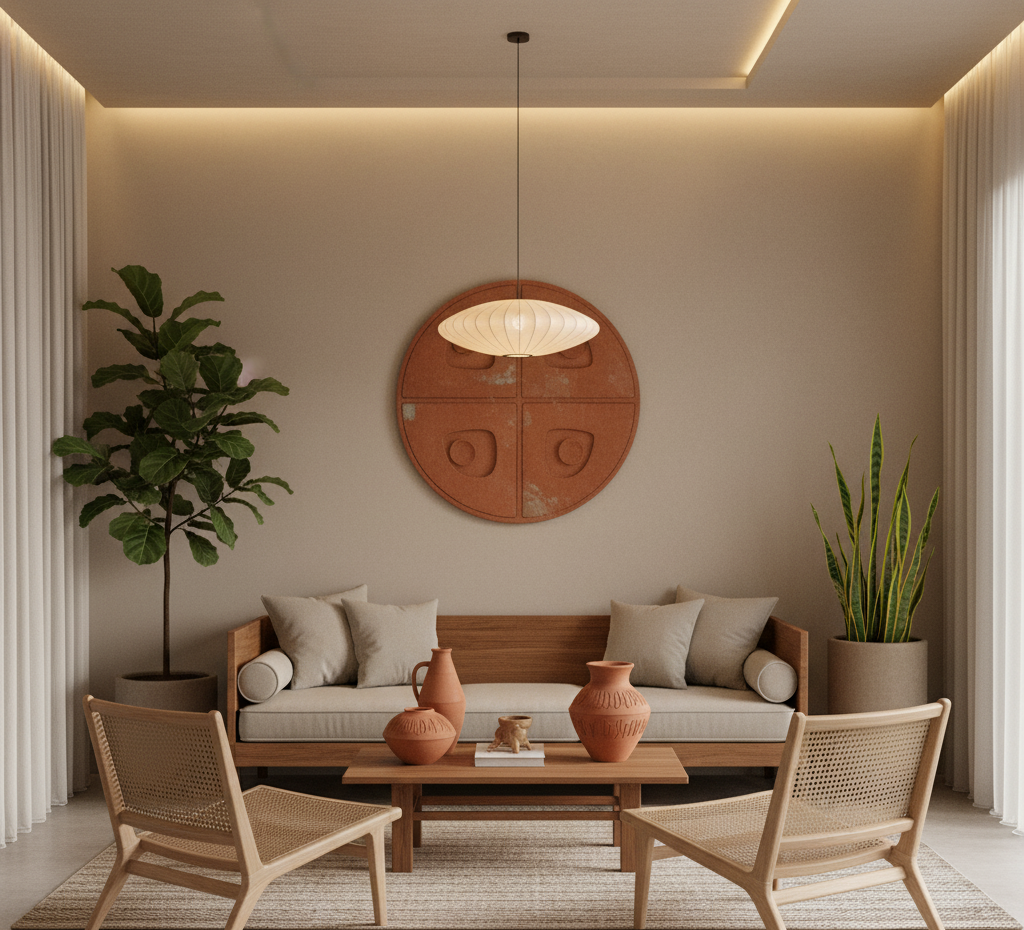
Japandi-Indian Fusion Interiors: The New Cultural Interior Trend of 2025 Japandi-Indian Fusion Interiors are rapidly becoming one of the most talked-about home styling trends of 2025. This design trend combines the minimal, warm, nature-driven aesthetics of Japanese–Scandinavian interiors with the rich textures, earthy elements, and cultural depth of Indian homes. In this blog, we explore why this hybrid style has become a major favourite, how homeowners are adapting it, and what design principles define this beautiful fusion. What Makes Japandi-Indian Fusion Interiors So Popular? The blend works because it respects two cultural design roots—Japan’s devotion to calmness, balance, and simplicity, and India’s love for craftsmanship, tradition, and warm materiality. The result is a home interior that looks premium, feels grounded, supports functionality, and brings a soothing emotional experience. While Japandi advocates clean lines and uncluttered spaces, Indian elements bring personality through handcrafted décor, carved wooden details, brass accents, and earthy textiles. Together, they create a space that feels “modern yet soulful”. Core Design Principles Behind Japandi-Indian Fusion Interiors Unlike purely minimal interiors, this design fusion stands out because it balances visual calm with cultural richness. Here are the key principles: 1. Warm Minimalism Japanese interiors prefer neutral, calm palettes. Indian interiors love earthy warmth. The fusion keeps clutter minimal while embracing warm tones. 2. Natural Materials Both cultures rely heavily on nature-based materials like: Teak wood Bamboo Rattan Linen Cotton Jute This gives a breathable, organic feel to the home. 3. Craftsmanship + Clean Lines Indian craftsmanship—block prints, brass pieces, handwoven rugs—fits seamlessly into Japandi’s simple silhouettes. 4. Functionality Over Decoration Every piece serves a purpose. Décor is intentional, not overwhelming. Color Palette for Japandi-Indian Fusion Interiors This style uses a combination of calm Japanese neutrals and warm Indian earth tones. Japandi Colors Indian Earthy Colors Fusion Result Beige, cream Terracotta Warm neutral base Light grey Mustard yellow Muted pops Soft brown Deep greens Calm + natural feel Off-white Burnt orange Organic warmth The overall palette remains soft, but Indian tones add depth and interest. How to Apply Japandi-Indian Fusion Interiors Room-by-Room Below is a well-structured guide to help implement this trend in different spaces. Living Room: Calm Meets Culture The living room is the best place to embrace Japandi-Indian Fusion Interiors. Start with clean-lined furniture in wood or rattan, then add textiles, brass accents, or terracotta elements. What works best: Low-seating sofas inspired by both Japanese and Indian floor cultures Neutral-toned sectional with handwoven cushions A large jute rug paired with linen curtains Wooden wall shelves holding handcrafted pottery Potted indoor plants for nature energy The aim is to maintain a visually uncluttered ambiance while bringing subtle Indian identity. Bedroom: Zen Serenity with Indian Warmth Japandi bedrooms are minimalist. Indian bedrooms celebrate textiles and textures. Fusion creates a cozy and serene retreat. Elements to include: Platform wooden bed Cane bedside lamps Handloom bedding Soft, layered neutral curtains Minimal wall décor with one statement Indian artwork Kitchen: Earthy Functionality A Japandi kitchen focuses on well-organized, high-functioning layouts. Indian kitchens thrive on storage and durability. The blend creates warm, practical, and aesthetically clean kitchens. Key ideas: Matte wood cabinetry Open shelves with ceramic jars Brass or matte-black handles Natural stone, Kota, or terrazzo countertops Hanging planters for herbs This looks modern, but still reflects Indian practicality. Dining Area: A Cultural Gathering Space The dining area brings together Japanese communal simplicity and India’s family-oriented dining habits. Ideal design: Solid wood dining table (teak or ash wood) Simple chairs with woven cane backs A single handcrafted centerpiece Soft yellow or warm white lights Avoid heavy table décor—keep it clean yet warm. Furniture Ideas for Japandi-Indian Fusion Interiors Here’s a mix of furniture styles that work beautifully: Recommended Furniture: Low-height wooden beds Minimal center tables Bamboo or cane chairs Hand-carved sideboards Floating wooden shelves Compact wardrobes with clean lines Décor Elements That Define the Fusion Style Adding the right décor helps you complete the aesthetic without going overboard. Must-have décor items: Neutral-toned cushions with block-print covers Brass planters Ceramic vases Wabi-sabi inspired pottery Jute or cotton rugs Wooden sculptures Lighting: Warm, Soft, and Rooted in Nature Lighting in Japandi-Indian spaces must feel warm, natural, and calming. Consider these options: Warm LED lights Cane pendant lights Clay or terracotta lamps Slim wooden floor lamps Diffused wall sconces Avoid cold white lights—they break the warmth and minimal vibe. Materials That Work Best in Japandi-Indian Interiors Materials play a huge role in balancing the modern and traditional. Japandi Materials Indian Materials Fusion Outcome Bamboo Brass Functional elegance Light ash wood Teak wood Balanced warmth Linen Handloom cotton Breathable comfort Stone, clay Terracotta Raw & rustic charm The harmony emerges from combining these natural materials. Home Accessories That Perfect the Look Accessories need to be subtle but meaningful: Clay bowls Hand-painted wall plates Cane baskets for storage Indoor plants: ficus, monstera, palms Low-height wooden benches Each item should feel rooted yet visually clean. Why Homeowners Love Japandi-Indian Fusion Interiors in 2025 This design trend stands out because it speaks to the emotional and functional needs of modern Indian families. Homes today must support busy lives while offering comfort and mental peace. Reasons for its growing demand: Works beautifully in urban apartments Provides a clutter-free lifestyle Supports cultural identity Aligns with sustainability Feels warm, premium, and modern Requires minimal décor investment Unlike heavy traditional themes or cold modern ones, this fusion strikes the perfect balance. A Quick Checklist for Japandi-Indian Fusion Interiors (2025 Edition) Element Must-Have Detail Color Palette Neutrals + earthy Indian tones Furniture Wood, cane, low-height designs Décor Pottery, brass, minimal prints Textiles Linen + handlooms Lighting Warm, soft, natural Accessories Plants, handcrafted accents If your home follows this checklist, you’re on the right track. Conclusion: The Future of Design Is Balanced, Calm, and Cultural Japandi-Indian Fusion Interiors show that modern homes don’t need to choose between minimalism and culture—they can enjoy both. This trend celebrates thoughtful living, sustainability, craftsmanship, and a calming environment. As Indian homeowners shift toward practical yet soulful spaces, this fusion will
Trending Foyer Designs for Modern Indian Homes in 2025
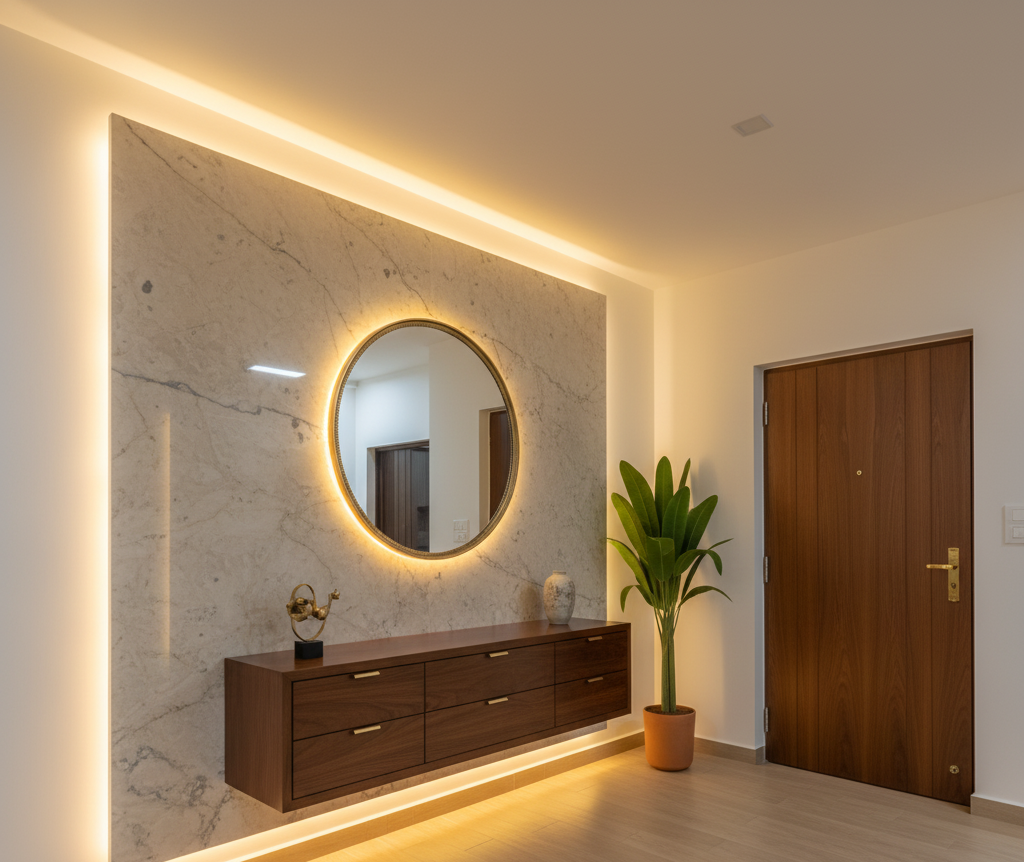
Trending Foyer Designs for Modern Indian Homes in 2025 In 2025, homeowners have become increasingly conscious of the design of their entrance spaces, making Trending Foyer Designs one of the hottest topics in modern Indian interiors. The foyer—often overlooked in earlier decades—is now seen as a crucial element in home design because it sets the tone, mood, and personality of the entire house from the moment someone steps in. Whether small or spacious, the foyer today blends aesthetics, functionality, and cultural importance, creating a welcoming experience for residents and visitors alike. Foyers in modern Indian homes are evolving beyond simple shoe racks and console tables. They are now expressive, smartly planned, and thoughtfully curated spaces that serve multiple purposes—storage, décor, privacy, and a warm invitation to the home. With urban apartments becoming compact, maximizing the foyer’s utility while elevating its visual appeal has become a major design priority. Why Foyers Are Gaining Importance in 2025 In Indian homes, the foyer carries more cultural weight than in Western design. It acts as a boundary between the outside world and the home’s inner environment. As modern families seek more privacy and hygiene-conscious spaces, the foyer has transformed into a functional transition zone. People want a foyer that: Enhances first impressions Provides a sense of privacy Offers space for quick storage Reflects personal style Maintains cleanliness by keeping outside dirt contained Additionally, with social media showcasing luxurious homes and beautifully styled entryways, Indian homeowners have become more ambitious with foyer aesthetics. The Modern Philosophy Behind Trending Foyer Designs Foyer designs in 2025 reflect a blend of: Minimalism Cultural roots Subtle luxury Smart functionality Artistic storytelling A foyer must feel inviting but not overwhelming. Designers aim for clean visuals with strategic focal points—lighting, artwork, mirrors, or texture walls—that create depth and elegance. Even in small apartments, the goal is to create a space that feels intentional rather than accidental. Key Design Elements That Define Trending Foyer Designs While styles vary widely, certain elements consistently shape the most popular foyer trends in 2025. These details elevate the entryway from a simple corridor into a signature home feature. 1. Statement Consoles and Storage Units Console tables with drawers, fluted panels, brass accents, or marble tops are trending. They provide storage while acting as the main décor anchor. 2. Warm Ambient Lighting Cove lighting, pendant lamps, or wall sconces help create an inviting glow. Since foyers are often windowless, lighting defines the atmosphere. 3. Mirrors for Depth and Openness Mirrors are essential, especially for small foyers. Arched mirrors, round mirrors, and full-height panels are popular choices for enhancing space visually. 4. Textured Walls and Feature Panels Designers are experimenting with stone textures, groove panels, wallpapers, jaali patterns, and microcement to create a stylish backdrop. 5. Seating for Convenience A bench, ottoman, or single chair provides a practical spot to wear or remove shoes. 6. Plants and Decor Accents Indoor plants, artifacts, sculptures, and frames add life and personalization to the foyer. Popular Styles in Trending Foyer Designs (2025) Every homeowner has a unique taste, and 2025 has welcomed a variety of foyer themes that blend Indian sensibilities with global trends. These themes help guide materials, furniture, colors, and décor choices. 1. Minimal Luxury Foyer Perfect for contemporary homes, this style uses a neutral palette, sleek console, hidden storage, and soft gold accents. It radiates sophistication without clutter. 2. Earthy & Warm Foyer Terracotta tones, wooden textures, woven baskets, handcrafted décor, and warm lighting create a natural, calming ambiance inspired by earthy aesthetics. 3. Traditional Indian Foyer Carved wooden units, brass lamps, heritage-pattern tiles, and artwork featuring Indian motifs make this foyer style deeply cultural and welcoming. 4. Japandi-Inspired Foyer A blend of Japanese zen and Scandinavian minimalism—clean, light-toned wood, soft textures, and simple silhouettes create a peaceful and airy space. 5. Modern Glam Foyer Marble patterns, mirrors, metallic accents, and stylish chandeliers define a glamorous, high-end foyer experience suitable for luxury homes. Choosing the Right Materials for Foyer Designs The foyer experiences high footfall, so materials must be both aesthetic and durable. Homeowners in India are becoming more mindful about choosing long-lasting and stylish options. Most Recommended Foyer Materials (2025) Material Where Used Benefits Vitrified Tiles Flooring Durable, easy maintenance Marble / Marble-Look Tiles Feature wall or floor Gives a premium touch Veneer Console & wall panels Rich, warm texture Microcement Walls Seamless, modern look Jaali Panels Partitions Cultural + modern blend Brass Handles & accents Adds luxury without clutter Color Palettes That Work Best for Foyers Colors shape mood instantly when someone enters a home. 2025 trends favor palettes that feel warm, elegant, and inviting. Trending Color Combinations: Beige + champagne gold Charcoal + walnut brown Ivory + brass accents Terracotta + sandstone Sage green + oak wood White + black for a bold modern look These combinations work well in both compact and spacious foyers. Lighting Trends Dominating Foyers in 2025 Lighting can completely transform the look and feel of a foyer. Homeowners now prefer warm, indirect light instead of harsh white LED floodlighting. Popular Lighting Elements: Slim profile wall lights Pendant lamps just above the console Backlit mirrors Cove lights on the ceiling or behind panels Smart motion-sensor lights at the entrance Motion lighting has become especially popular for foyers, combining convenience, safety, and premium experience. Foyer Storage Ideas: Stylish + Functional The foyer must store everyday essentials—keys, umbrellas, mail, bags, and shoes. The challenge is to incorporate this storage without making the area feel cluttered. Effective Storage Solutions: Wall-mounted cabinets Tall shoe units with seating on top Built-in consoles with drawers Floating shelves for decor Hidden pull-out storage baskets Hooks for quick access items These solutions help maintain a neat and clean entrance. How to Design a Small Foyer in Modern Apartments Not all homes have dedicated foyer space. In compact Indian apartments, even the smallest entrance area can be styled smartly. Small foyer design ideas include: A slim console or shelf A vertical mirror that expands visual height Light-colored flooring A
Hybrid Living Rooms: Entertainment + Work + Relaxation in 2025
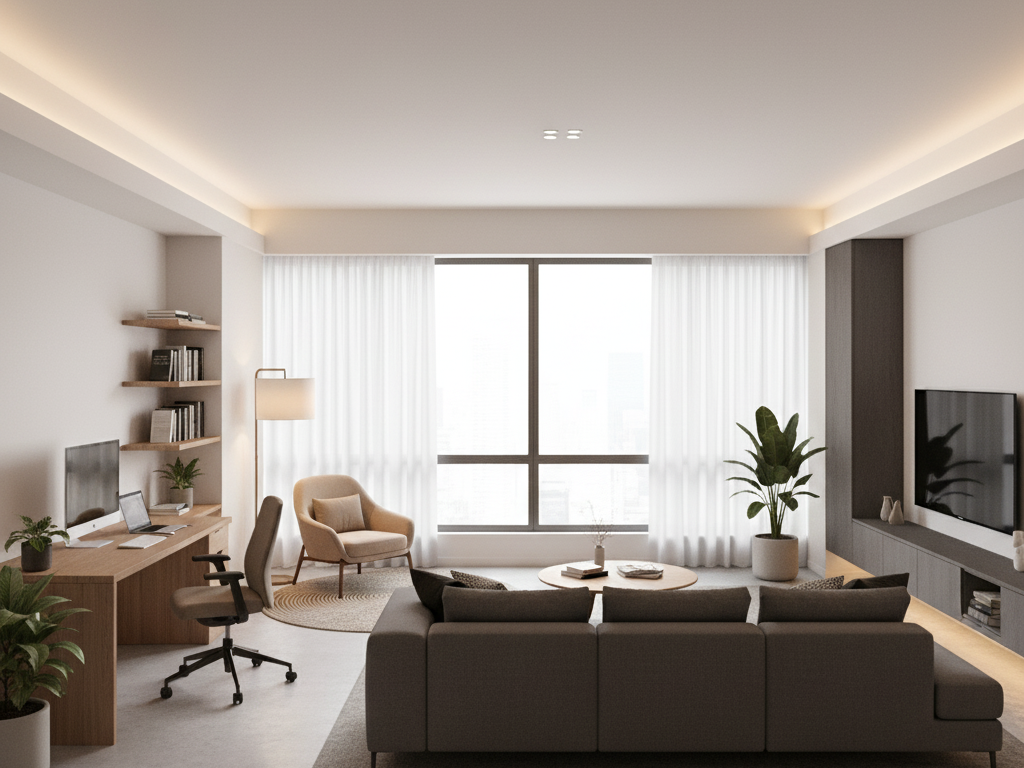
Hybrid Living Rooms: Entertainment + Work + Relaxation in 2025 In 2025, the concept of Hybrid Living Rooms has revolutionized the way modern families experience their homes. With changing lifestyles, remote work culture, and the growing importance of flexible private spaces, the living room is no longer just a place for seating guests. It has evolved into a multi-purpose zone—an entertainment hub, a work-from-home corner, a cozy relaxation area, and even a small fitness section in some homes. This blog explores how Hybrid Living Rooms have become the new standard for contemporary interiors and why homeowners in India—and especially urban cities—prefer this functional yet beautifully curated living space format. Why Hybrid Living Rooms Became Popular The shift started when families realized they were spending more time at home than ever before. Work-from-home, online learning, home theatres, digital gaming, casual gatherings, and wellness routines made it clear that a single-purpose living room no longer served modern lifestyles. Instead of dedicating multiple rooms for different needs, homeowners started integrating all these experiences into one intelligently designed living room. The result was a space where people could work productively during the day and enjoy a movie night at the same time—all without compromising comfort or aesthetics. Hybrid Living Rooms offer homeowners a clear advantage: efficiency, versatility, and a premium feel with minimal structural changes. The Core Pillars of Hybrid Living Room Design Hybrid living rooms beautifully combine functionality and aesthetics. While earlier, the living room was purely for sitting and socializing, today it supports various zones: A dedicated workspace A TV or entertainment wall A relaxation nook or reading lounge Flexible seating for hosting guests Smart lighting that supports multiple moods Tech integrations for entertainment and productivity The magic lies not in adding more elements, but in designing them seamlessly so the living room doesn’t feel cramped or overstuffed. Creating Different Zones Without Solid Partitions One of the key characteristics of Hybrid Living Rooms is the subtle creation of zones without using walls or bulky dividers. Designers position furniture, lighting, textures, and decor to define each purpose while keeping the openness intact. Common ways to form visual zones: Using a rug under the work desk Changing wall textures behind the entertainment unit A lounge chair or swing near a window A bookshelf that subtly divides space Lighting variations to highlight different areas This zoning approach makes the living room functionally rich while still feeling large and airy. Balancing Work, Play, and Comfort in One Space Designing Hybrid Living Rooms requires thoughtful balance. The workspace should not feel out of place next to the entertainment area, and the relaxation corner should feel cozy but not isolated. This seamless experience is what makes the hybrid concept powerful. Key considerations: Maintaining visual harmony in furniture style Keeping color palettes consistent Ensuring noise management Smart organization to hide clutter Choosing multipurpose furniture whenever possible Homeowners love this layout because it adapts to their everyday routine effortlessly. Furniture Essentials in a Hybrid Living Room Furniture choices are the backbone of hybrid layout success. Comfort and flexibility take priority, along with premium aesthetics. Here is a breakdown of useful furniture elements: Furniture Type Function Why It’s Ideal for Hybrid Living Rooms Modular Sofa Hosting + Relaxation Can be rearranged for work or movie nights Adjustable Work Desk Work Zone Helps maintain ergonomics Ottoman / Pouffe Extra Seating Doubles as footrest or mini table Wall-Mounted TV Unit Entertainment Saves floor space Recliner or Accent Chair Relaxation Corner Adds comfort + style Bookshelf or Storage Console Organization Reduces visual clutter Multipurpose pieces reduce furniture crowding while increasing usability. Lighting: The Secret Ingredient of Hybrid Living Rooms Lighting transforms the mood of hybrid spaces. Since the living room supports multiple activities, layered lighting becomes essential. Recommended lighting layers: Ambient lighting: main ceiling lights for everyday use Task lighting: desk lamp for the workspace Accent lighting: wall lights for décor emphasis Mood lighting: warm cove lighting for movie nights Natural light: maximizing daylight through sheer curtains Lighting impacts everything—from productivity to relaxation—making it one of the most thoughtfully planned aspects of hybrid interiors. Technology That Enhances Hybrid Living Rooms Modern living rooms depend heavily on smart technology, especially in 2025. Homeowners want seamless integration of entertainment and productivity tools. Trending tech integrations: Voice-controlled lighting and AC Smart TV with concealed wiring Soundbar or home theatre Motorized blinds Invisible charging stations Cable management systems High-speed internet with hidden routers Tech helps the space adapt instantly from work mode to entertainment mode. Color Palettes That Fit Hybrid Themes Colors influence mood drastically. Hybrid living rooms use tones that are calming for work, cozy for relaxation, and bold enough for entertainment. Most preferred color palettes: Soft neutrals—beige, ivory, ash grey Warm browns and wood textures Earthy olive and terracotta Charcoal for accent panels Pastels for workspace corners These palettes ensure the living room looks cohesive, sophisticated, and visually spacious. Storage Design That Keeps the Living Room Clean Since hybrid rooms serve multiple purposes, organization becomes critical. Smart storage solutions ensure the room doesn’t feel cluttered even with multifunctional elements. Useful storage features: TV units with hidden storage Wall-mounted shelves Drawers integrated into sofas Concealed desk cabinets Slim bookshelves Vertical storage units Clean lines and minimal clutter define the aesthetics of this interior style. Work-from-Home Corner: Small but Highly Functional The workspace in a hybrid living room does not need to be large. Even a compact yet thoughtfully designed corner can boost productivity. A well-designed hybrid workspace should have: Good natural light Comfortable ergonomics A clutter-free desk Noise-free background A backdrop suitable for virtual meetings Homeowners appreciate having a proper work corner without giving up a separate room. Entertainment Zone: The Heart of the Hybrid Living Room Entertainment still plays a major role. Families want a clean, premium-looking TV wall with hidden wiring and stylish panels. Popular entertainment wall finishes include: Wood veneer Textured laminates Microcement Marble or marble-look tiles Matte color blocking panels These finishes create a sophisticated backdrop for the TV and enhance the
Why Ahmedabad Clients Prefer Minimal Yet Rich Interiors in 2025
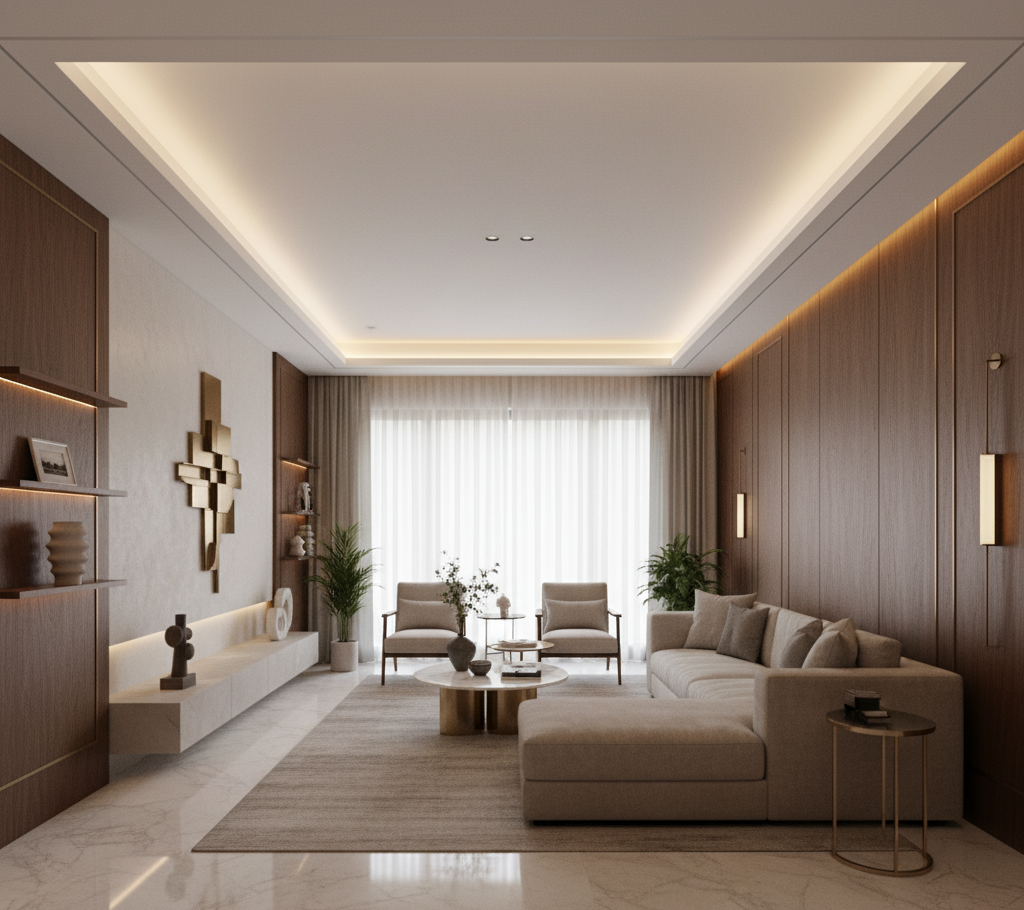
Why Ahmedabad Clients Prefer Minimal Yet Rich Interiors in 2025 Understanding why Ahmedabad clients prefer minimal yet rich interiors has become essential for architects, designers, and homeowners in 2025. The city’s design culture has evolved dramatically over the last decade—shifting from heavy décor and ornate elements to spaces that feel clean, breathable, purposeful, and subtly luxurious. This unique blend of minimalism and richness is redefining modern Ahmedabad interiors, giving birth to a style that is contemporary yet deeply rooted in lifestyle needs. Minimal interiors in Ahmedabad are not about emptiness or austerity—they are about refined living, conscious choices, and a climate-friendly environment. Homeowners want calm spaces that reduce visual noise while still maintaining a sense of premium comfort, elegance, and cultural depth. The Evolution of Ahmedabad’s Interior Preferences Ahmedabad, once known for elaborate wooden carvings, vibrant colors, and decorative layering, is witnessing a shift driven by global exposure, rising apartment culture, and fast-paced lifestyles. Today’s homeowners want homes that are easier to maintain, more functional, and soothing to the senses. The influence of social media aesthetics, modern work culture, and space constraints in urban developments has further accelerated this design transition. People prefer less clutter but more meaning. Instead of filling every corner, they prefer investing in timeless, high-quality pieces that elevate the home without overwhelming it. The Core Reason Behind the Trend: Calm, Practical, and Premium Living Minimal yet rich interiors strike the perfect balance between luxury and simplicity. The approach focuses on: Clean visual appeal High functionality Sophisticated materials Earthy and neutral tones Smart space utilization Climate-responsive materials Reduced maintenance requirements These factors collectively shape why Ahmedabad clients are leaning toward this design trend in 2025. 1. Climate-Friendly Design Choices Influence Preferences Ahmedabad’s hot and dry climate plays a major role in interior choices. Minimal designs allow better airflow, reduced heat absorption, and climate-appropriate materials. Why minimal works well in Ahmedabad’s weather: Fewer layers → less heat trapped inside Natural materials like stone, lime, and wood regulate temperature Light color palettes keep homes cool Open layouts allow air movement Less décor reduces dust accumulation This is one of the strongest functional reasons why Ahmedabad clients prefer minimal designs today. 2. Rise of Premium Minimalism: Richness Through Materials, Not Clutter Ahmedabad homeowners aren’t avoiding luxury—they are redefining it. Instead of heavy décor, they choose: Italian marble flooring Veneer paneling Brass and matte gold hardware Textured walls Plush upholstery Subtle accent lighting Curated artwork This results in a home that feels premium without being visually overwhelming. Common Premium Materials Used in Modern Ahmedabad Homes (2025) Material Purpose Why It’s Preferred Italian Marble Floors Cooling effect + luxury Oak/Walnut Veneer Wardrobes & panels Warm, premium feel Kota Stone Flooring Breathable & climate-friendly Microcement Walls Minimal & seamless look Brass Hardware & accents Adds richness without noise 3. Practical Lifestyle Needs of Ahmedabad Families The modern lifestyle of Ahmedabad residents is fast-paced, urban, and efficiency-driven. Homeowners, especially young couples and nuclear families, want interiors that offer comfort without burden. Minimal yet rich interiors suit these needs because: They require less cleaning and maintenance They prevent clutter from building up They support multifunctional spaces They adapt well to compact apartments They match the city’s increasing preference for smart living Minimal layouts make everyday life smoother—especially in households where both spouses work. 4. The Influence of Global Aesthetics and Travel Ahmedabad residents travel frequently—both domestically and internationally. Exposure to global design standards has elevated their taste in interiors. They admire: Scandinavian minimalism Japanese Zen-style calmness Dubai-inspired muted luxury European boutique hotel interiors This global influence naturally merges with local preferences, resulting in a unique Ahmedabad-specific style: Minimal + Rich + Functional. 5. Clutter-Free Spaces Help Mental Well-being Many homeowners express that minimalism makes them feel: Less stressed More productive More comfortable Mentally at ease A sense of visual breathing space In an era where work-from-home and digital overload are prevalent, people crave serene environments. Minimal interiors create emotional balance while still feeling premium. 6. Space Optimization Is a Big Priority in 2025 Compact 2BHK and 3BHK apartments dominate Ahmedabad’s real estate landscape. Minimal design ensures space feels bigger, brighter, and more open. Popular Space-Optimizing Features: Wall-mounted TV units Modular wardrobes with efficient accessories Sliding doors Foldable dining or study setups Full-height storage Glass partitions These design tricks give the illusion of extended space without additions or renovations. 7. Lighting Enhances the Minimal + Rich Look Ahmedabad homeowners are investing in layered lighting rather than heavy décor. Lighting offers richness without clutter—especially in minimal spaces. Trending Lighting Choices in 2025: Warm white ceiling lighting Cove lighting behind panels Slim profile track lights Pendant lamps over dining or island counters Floor lamps as visual anchors Backlit mirrors Lighting architecture alone can make the home look luxurious. 8. Blending Traditional Ahmedabad Elements in a Minimal Way Even though interiors have become modern, Ahmedabad residents still appreciate their roots. Designers smartly integrate cultural inspirations without overpowering the space. Examples: Subtle wooden carvings on a single panel Patang (kite) motifs used sparingly Handloom cushions in neutral tones Pol-style jaali screens in modern geometric patterns This fusion creates emotional warmth and connects homeowners with heritage. 9. Material Sustainability Is Becoming a Priority Eco-conscious families prefer materials that are: Durable Sustainable Long-lasting Low maintenance Minimalism naturally aligns with sustainability because it reduces unnecessary consumption. Some trending sustainable materials include: Bamboo panels Recycled wood Natural lime plaster Terracotta tiles Low-VOC paints This is another reason why Ahmedabad clients prefer minimal designs—because it aligns with responsible living. 10. Interiors Designed for Long-Term Value Minimal yet rich interiors age slower than heavily decorated ones. They remain stylish, relevant, and appealing for 10–15 years. Homeowners see it as a long-term investment that doesn’t require frequent updates. Timeless designs → long-lasting appeal → higher property valueThis practicality further influences the preference for minimal aesthetic. Conclusion Understanding why Ahmedabad clients prefer minimal interiors gives clear insight into how urban living, climate, global exposure, and lifestyle preferences shape design choices in 2025. Today’s homeowners seek clarity, comfort,
Showroom Trends in Ahmedabad: What’s Selling in 2025
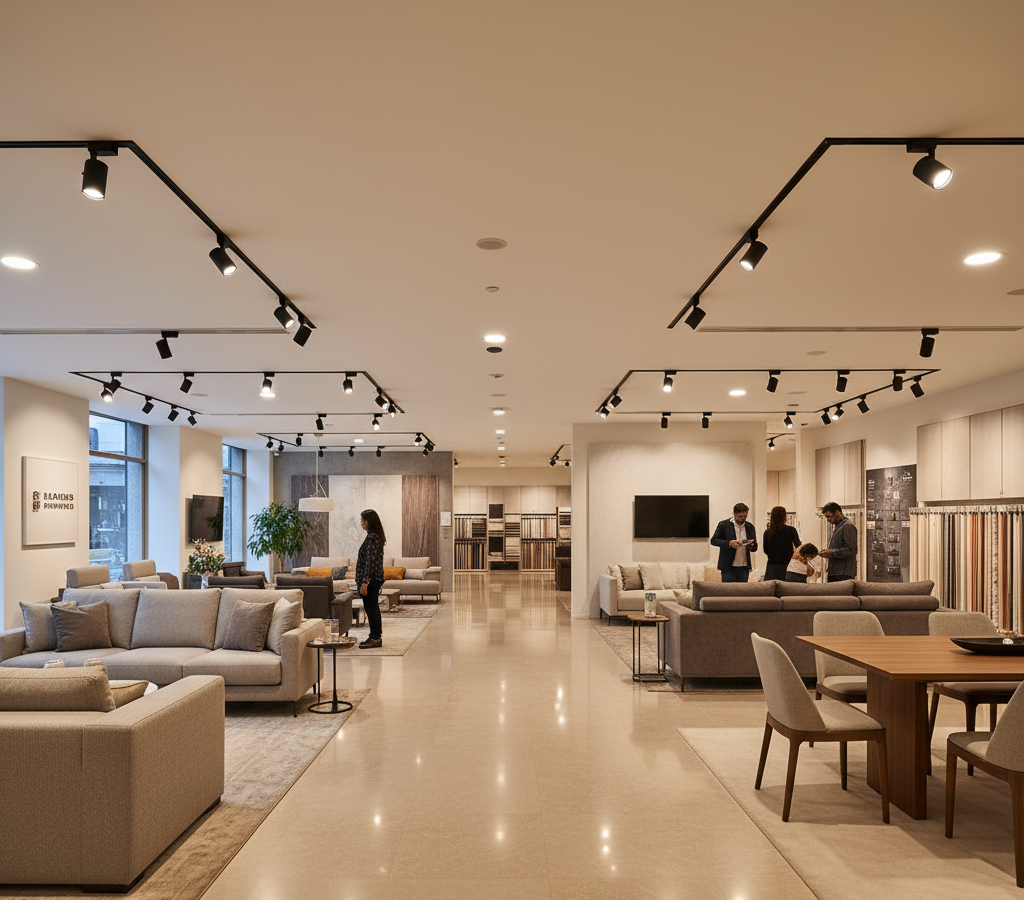
Showroom Trends in Ahmedabad: What’s Selling in 2025 Ahmedabad has always been a vibrant marketplace filled with evolving tastes, strong purchasing power, and a diverse mix of customers—from traditional buyers to modern minimalists. In 2025, the retail landscape of the city is witnessing a major transformation driven by technology, experience-driven design, and lifestyle-focused buying patterns. Understanding the latest Showroom Trends in Ahmedabad has become essential for business owners, interior designers, and entrepreneurs looking to stay ahead in this increasingly competitive and dynamic market. Whether it’s home décor, fashion, electronics, furniture, or lifestyle stores, Ahmedabad’s showroom design and sales trends now revolve around immersive customer experiences, smart technologies, sustainability, and cultural identity. This blog uncovers the top trends that are reshaping how showrooms look, function, and sell in 2025. The Changing Face of Retail in Ahmedabad Retail in Ahmedabad is shifting from a product-focused approach to an experience-focused strategy. Today’s consumers want to “feel the brand” before they make a purchase. This has pushed store owners to think beyond traditional display layouts and invest in thoughtful design, engaging spaces, and digital integration. Several key factors are driving this evolution: Rising consumer expectations Customers expect premium experiences, personalized attention, and interactive environments. Smart shopping culture Mobile-driven purchase decisions, digital comparison tools, and smart in-store technologies influence buying behavior. Growing appetite for lifestyle-focused products Ahmedabadis are investing more in quality-driven lifestyle products—home furnishings, wellness items, modular furniture, and high-end electronics. Shift to hybrid retail People prefer stores that blend online convenience with offline experience. These shifts form the backbone of the 2025 showroom revolution. 1. Experience-Driven Showroom Designs One of the biggest changes in Showroom Trends in Ahmedabad is the rise of experience-driven layouts. Customers want stores that feel inviting, creative, and emotionally engaging. This includes: Warm lighting Spacious layouts Interactive product zones Hands-on demonstration counters Ambient music and scent branding Instead of dense product stacking, showrooms now prioritize comfort, browsing ease, and aesthetic appeal. 2. Minimal, Premium, and Instagram-Friendly Interiors In 2025, showrooms across SG Highway, Sindhu Bhavan Road, Science City, and Ashram Road are adopting premium minimalism. Smooth beige walls, clean layouts, pastel backdrops, modern furniture, and clutter-free displays are the new norm. Why?Because customers now judge a brand’s quality by the look and feel of its store. An Instagram-friendly showroom attracts more walk-ins and helps the brand build digital presence effortlessly. 3. Smart Technology Integration Ahmedabad’s retail spaces are becoming smarter. Advanced technologies are changing how brands display products and interact with customers. Popular tech integrations: Smart mirrors in clothing stores QR-based product information Virtual try-ons for eyewear and makeup LED demo walls for electronics AR-based furniture previews Automated billing counters These create a seamless and futuristic shopping experience. 4. Storytelling Through Décor & Branding Narrative-driven interiors have become key to engaging customers. Whether it’s a luxury jewelry showroom or a home décor store, brands now use décor to tell a story. Examples: A furniture showroom using local artwork to reflect craftsmanship Clothing boutiques displaying mood-based collections Electronics stores highlighting modern lifestyle setups Home décor studios showcasing room-wise theme zones When customers experience the brand emotionally, conversion rates increase instantly. 5. Sustainable & Natural Material Designs Sustainability is a major trend not only in homes but also in retail spaces. Showrooms in Ahmedabad are using more eco-friendly material palettes such as: Microcement walls Terracotta accents Natural stones Reclaimed wood Biophilic greenery Low-VOC paints These materials create a calming, premium feel while supporting environmental responsibility. 6. Modular & Flexible Layouts Another strong trend is the use of modular furniture and flexible partitions in showrooms. Retailers prefer spaces that can be rearranged quickly to introduce new collections, seasonal themes, or promotional displays. Benefits include: Faster store updates Lower renovation cost Increased layout variations Better customer flow This is especially popular in furniture studios, fashion showrooms, and home décor stores. 7. The Rise of Theme-Based Showrooms In 2025, showrooms are no longer generic—they are highly theme-driven. A theme helps customers feel the brand vibe the moment they walk in, leading to better engagement and faster decision-making. Examples of popular showroom themes in Ahmedabad: Gujarati cultural fusion for boutiques Modern industrial for electronics and gadgets Rustic wooden for furniture stores Soft pastel luxury for skincare and beauty Minimal Scandinavian for home décor brands High-gloss premium for jewelry stores Theme-based interiors strongly influence customer psychology and push sales higher. 8. Premium Lighting as a Sales Tool Lighting is now one of the biggest investments in modern showrooms. Good lighting helps highlight products, improve browsing comfort, and create the right mood. Popular showroom lighting trends in 2025: Track lighting Cove lights Warm spotlights Linear profile LED Decorative statement pieces Backlit shelves and walls Lighting has become crucial, especially for showrooms selling jewelry, garments, decor, and lifestyle products. 9. Cozy Customer Experience Zones Comfort sells. Showrooms in Ahmedabad now invest heavily in comfort-based experience spaces such as: Sofa corners Coffee tables Trial seating zones Interactive product demo areas Relaxed consultation spots VR and AR immersion lounges Customers spend more time in a comfortable environment, which increases the chances of purchase. 10. Local Craft + Modern Aesthetic Fusion Many boutique showrooms are blending Ahmedabad’s craft heritage with modern retail design. This includes: Patola fabric panels Handcrafted wooden furniture Terracotta motifs Pol-style arches Brass décor accents This fusion creates a unique, cultural-luxury identity that sets Ahmedabad showrooms apart from other cities. 2025 Showroom Trends vs. 2023 Trends Category 2023 Trend 2025 Trend Layout Dense product stacking Spacious, experience-led layout Technology Basic displays AR/VR + smart mirrors Aesthetic Mix of bold colours Premium minimalism Materials Standard laminates Natural & sustainable textures Lighting Functional only Layered, mood-driven lighting Branding Plain signage Story-based environments Customer Zones Limited seating Full experience lounges How These Trends Are Increasing Sales Many showrooms in Ahmedabad—especially in premium zones—are reporting higher footfall and improved conversion rates after adopting these trends. Key reasons why sales are improving: Customers spend more time in well-designed showrooms Smart demo setups help visualise products better Minimal layouts reduce decision fatigue Lighting
Luxury Living in Ahmedabad: What 2025 Homeowners Prefer
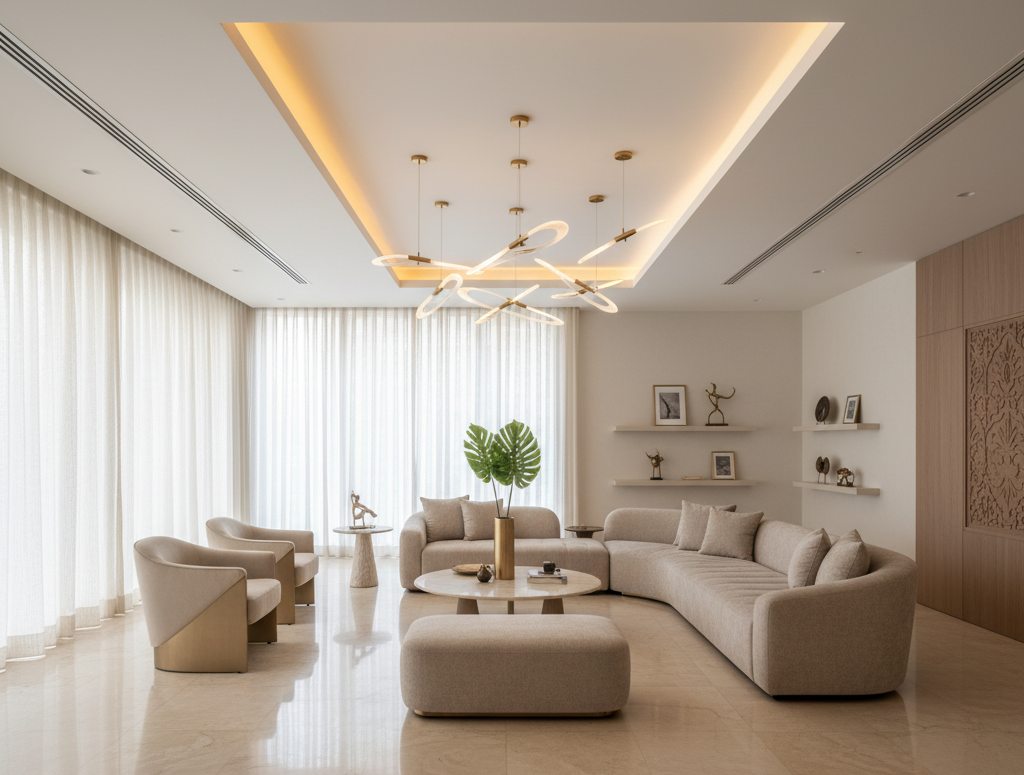
Luxury Living in Ahmedabad: What 2025 Homeowners Prefer Luxury living is evolving across India, but one city that has seen a remarkable shift in lifestyle preferences is Ahmedabad. In 2025, the idea of Luxury Living in Ahmedabad has transformed from purely material indulgence to an experience-driven, design-forward, and culturally rooted form of modern living. With rising urban development, advanced technology, premium residential projects, and a deeper appreciation for regional aesthetics, homeowners are redefining what luxury truly means. Ahmedabad’s luxury homebuyers today want more than stylish interiors—they seek comfort, exclusivity, authenticity, and a sense of identity. As real estate expands across areas like SG Highway, Shilaj, Bopal, Sindhu Bhavan Road, and Science City, designers are crafting living spaces that blend contemporary elegance with local charm. Understanding the New Definition of Luxury in 2025 Luxury in 2025 is not predictable marble-laden interiors or ornamental opulence. Homeowners now prefer curated spaces tailored to their lifestyle—spaces that feel personal, polished, and purposeful. This new version of luxury focuses on: Smart integrated living Sustainable material choices Open, decluttered spaces High-performance layouts Premium textures and finishes Comfort-driven home technology Wellness-oriented design In other words, luxury has shifted from visual extravagance to experience-based living. Why Luxury Living in Ahmedabad Is Evolving Ahmedabad has always had a unique design identity. From pol houses to modern villas, the city’s architectural culture reflects warmth, practicality, and community living. But with global exposure, increased business opportunities, and rising income levels, luxury design preferences have matured. Several factors are shaping luxury trends in Ahmedabad: 1. Global Exposure to Design Residents now follow international styles, thanks to travel, social media, and global design platforms. 2. Advanced Realty Projects Builders in 2025 offer high-end amenities—sky lounges, private decks, smart home wiring, advanced security, and more. 3. Climate-Conscious Design Ahmedabad’s extreme temperatures push homeowners to choose materials that are both aesthetic and heat-efficient. 4. Personalization & Identity Modern homeowners want something “crafted for them,” not generic luxury. 5. Rise of Regional Minimalism A fusion of minimal design with subtle Gujarati elements adds uniqueness to modern homes. Design Elements Defining Luxury Living in Ahmedabad in 2025 Ahmedabad’s sense of luxury is distinguished by its balance between sophistication, comfort, and local identity. Below are the major interior design elements shaping high-end homes this year. 1. Spacious Open-Plan Layouts One of the strongest desires of luxury homebuyers is openness. Large living-dining areas, minimal partitions, expansive windows, and flowing layouts give the home a grand and breathable feel. This trend is especially popular in penthouses and villas across SBR, Zydus Road, and Satyamev areas. Open layouts also allow designers to highlight: Elegant furniture Accent walls Statement lighting Art collections Wide flooring patterns Luxury today is about space, not overcrowding. 2. Earthy, Warm, and Calming Color Palettes Ahmedabad homeowners are moving away from high-gloss bold palettes and adopting soft, natural tones. Warmth is the tone of 2025. Popular luxury color schemes: Latte beige Stone grey Olive green Burnt terracotta Champagne white Deep walnut brown Soft clay pink These shades complement Ahmedabad’s cultural identity while balancing the heat-heavy climate. 3. Statement Lighting as the “New Luxury” Lighting has emerged as a hero element in premium interiors. Instead of a single chandelier, homes now incorporate layered lighting—ambient, task, mood, and decorative lights. Designers in 2025 use: Linear LED profiles Giant sculptural chandeliers Wall grazers Cove lighting Backlit panels Warm-gold accent lighting Smart, app-controlled lighting enhances convenience and elevates the home’s aura instantly. 4. Smart Home Technology & Automation Luxury Living in Ahmedabad is impossible to imagine without smart technology. Homeowners want automation that blends seamlessly with aesthetics. Popular tech integrations in 2025: App-based lighting Motorized curtains Smart locks Ambient temperature control Security cameras hidden in décor Smart mirrors Built-in speakers This combination of comfort and convenience forms the new-age luxury lifestyle. 5. Natural Stones & Premium Textures Materials define luxury. In 2025, Ahmedabad’s premium homes use a refined mix of natural stones and warm surfaces. Trending materials: Italian marble (in muted patterns) Quartz stone for kitchens Microcement walls Veneers in walnut and teak Kota stone for natural cooling Metallic accents in brushed gold These materials provide durability, elegance, and temperature regulation—perfect for the city’s heat. 6. Outdoor & Semi-Outdoor Living Spaces Homeowners with balconies, terraces, or decks now treat these spaces like extensions of the home. 2025 designs include: Pergolas Swing seating Outdoor kitchens Natural stone flooring Soft lighting Mini water features Indoor-outdoor plants Terraces in areas like Shilaj, Thaltej, and Bodakdev are being redesigned as evening retreats. Luxury Furniture Preferences in Ahmedabad (2025 Edition) Furniture trends lean toward rich textures, functional comfort, and timeless shapes. Homeowners prefer pieces that feel indulgent yet practical. In-demand furniture styles: Curved sofas Low platform beds Oversized lounge chairs Marble-topped dining tables Veneer-finished wardrobes Minimal carved wooden consoles Heritage-inspired teak pieces Premium modular TV units These furniture pieces complement open layouts and offer long-term sophistication. Popular Luxury Elements vs. Their Modern Alternatives Traditional Luxury 2025 Luxury Alternative Why It’s Trending Heavy chandeliers Sculptural LED lighting Sleek, modern, energy-efficient Glossy marble Matte stone textures Softer, richer, contemporary Dark wooden furniture Brushed veneer & light woods Airy and climate-friendly Overdecorated walls Clean walls with signature accents Minimal + premium Ornamental furniture Curved, comfortable silhouettes More ergonomic and refined Sustainability as a Mark of Premium Living Ahmedabad homeowners are becoming increasingly environmentally conscious. Luxury buyers prefer eco-friendly solutions like: Solar integration Natural ventilation planning Recycled materials Energy-efficient lighting Water-saving fixtures Locally sourced stones and woods Green balconies & terrace gardens Luxury is no longer about excess—it’s about mindful choices. Cultural Luxury: Adding the Ahmedabad Soul 2025 luxury homes integrate modernity while celebrating local identity. Homeowners often incorporate: Subtle Pol House-inspired carvings Gujarati textile art frames Brass thalis and metal décor Handcrafted pottery Mandir spaces with arches Terracotta accents Intricate jali designs This brings authenticity to the otherwise minimal and modern interiors. Conclusion The idea of Luxury Living in Ahmedabad in 2025 is beautifully balanced between global sophistication and local heritage. Homeowners now prioritize minimal elegance, natural textures, warm