Skip to content
Eco-Plywood: Rise of Next-Gen Sustainable Boards
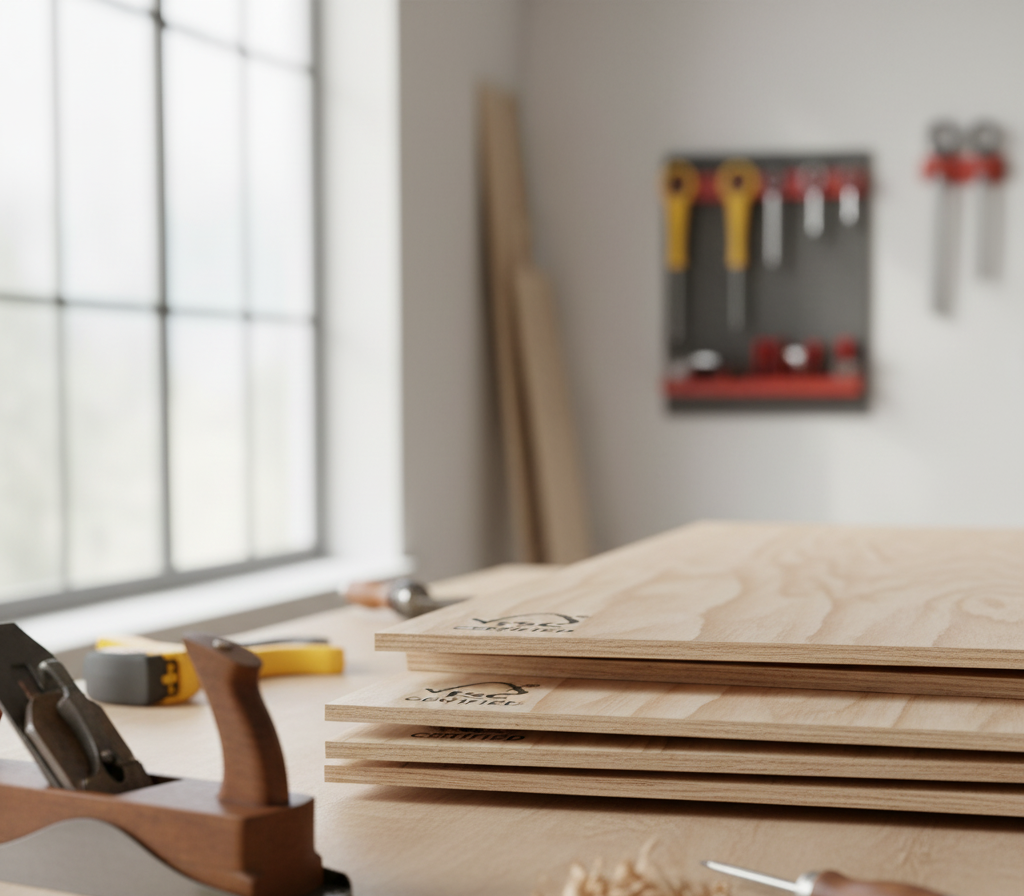
Eco-Plywood: Rise of Next-Gen Sustainable Boards The interior design and construction industries are witnessing a major shift toward greener, smarter, and more responsible material choices — and at the center of this transformation is Eco-Plywood. As homeowners become more climate-aware and designers aim to reduce environmental impact, It has quickly emerged as a standout material that blends sustainability with high performance. In this blog, we explore why Eco-Plywood is rising, how it differs from traditional plywood, and why it is poised to dominate modern interiors in 2025 and beyond. What Is Eco-Plywood? Understanding the New Wave of Sustainable Boards It refers to environmentally responsible plywood products created using sustainable timber, low-VOC adhesives, non-toxic treatments, and eco-certified manufacturing processes. Unlike traditional plywood — which often contains formaldehyde-based resins and can contribute to indoor pollution — It focuses on health safety, durability, and ethical sourcing. Engineered with the modern homeowner in mind: people who want design excellence without compromising their living environment or the planet. Why Eco-Plywood Is Becoming the New Standard The rise of Itis not an isolated trend. It’s driven by: 1. Health Consciousness Among Homeowners Families are increasingly aware of indoor air quality. Traditional plywood often emits harmful VOCs (volatile organic compounds). It eliminates this risk by using low-emission or zero-formaldehyde adhesives. 2. Sustainability Regulations & Certifications India and global markets are rapidly adopting certifications like: FSC (Forest Stewardship Council) E0 / E1 emission ratings CARB Phase II compliance GreenPro IGBC materials guidelines Eco-Plywood naturally meets many of these standards. 3. Durability Without Toxins Traditional plywood relies heavily on chemical treatments to resist moisture, borer, and fungus. It achieves this through natural resins, advanced manufacturing, and eco-friendly waterproofing processes. Eco-Plywood vs Traditional Plywood: A Clear Comparison Factors Eco-Plywood Traditional Plywood Adhesives Low/Zero VOC, non-toxic Formaldehyde-based Sourcing Sustainable, certified timber Often non-certified Indoor Air Quality Safe, hypoallergenic Emits VOCs Durability High strength, engineered balance Varies by grade Environmental Impact Low Moderate to high Cost Slightly higher More affordable It may cost more initially, but the benefit of healthier interiors and long-term stability makes it a smarter investment. How Eco-Plywood Is Manufactured: A Cleaner Process uses: Timber from sustainably managed forests Natural or low-VOC adhesives Water-based treatments for moisture resistance Energy-efficient production systems Manufacturers also optimize wastage, ensuring minimal environmental impact during the production cycle. Where Eco-Plywood Works Best? (Applications in Modern Homes) Eco-Plywood is versatile and suits almost all interior applications: Modular Kitchens The non-toxic, moisture-resistant structure makes it ideal for cooking areas. Wardrobes Ensuring safe air in bedrooms, especially for children. TV Units & Living Rooms Eco-friendly panels match beautifully with laminates, veneers, or paints. Study & Office Furniture Perfect for long hours in enclosed spaces. Wall Paneling A greener choice for decorative surfaces. Bed Structures Ensures long-lasting stability with minimal environmental impact. The Rise of Bio-Based Adhesives One of the biggest innovations is the shift from chemical adhesives to bio-based resins, such as: Soy protein adhesives Lignin-based resins Waterborne glue systems These adhesives not only reduce toxicity but also increase plywood flexibility and bonding strength. Contribution to Green Homes It supports India’s growing movement toward: Net-zero homes IGBC-certified green buildings Sustainable hospitality interiors Environmentally responsible home renovations Homeowners seeking green certifications can earn points simply by choosing materials like this. Market Growth in 2025: Why Demand Is Surging Several factors will accelerate Its adoption in 2025: 1. Urban Housing Trends Compact homes and premium interiors require higher-quality plywood. 2. Global Environmental Commitments Designers and architects must comply with carbon reduction goals. 3. Educated Consumers Homeowners actively research material safety and performance. 4. Premium Real Estate Marketing Builders highlight “eco-friendly materials” as a selling point, and It fits perfectly into this narrative. Types of Eco-Plywood Available in India Eco-Plywood Variant Features E0 Emission Plywood Near-zero formaldehyde, ideal for homes FSC-Certified Plywood Responsibly sourced timber Bio-Resin Bonded Ply Non-toxic adhesives, fully eco-safe Recycled Timber Ply Upcycled materials, ultra-sustainable Bamboo-based Ply High strength, beautiful finish How to Identify Genuine Eco-Plywood (Avoiding Fake Claims) Look for: FSC certification E0/E1 emission rating GreenPro label CARB compliance Manufacturer testing reports Visible stamp on the sheet Avoid plywood advertised as “green” without certification — many such products are misleading. Benefits of Using It in Modern Interiors 1. Better Indoor Air Quality Reduces allergies, headaches, and long-term respiratory risks. 2. Environmentally Responsible Supports global sustainability goals. 3. Superior Durability Eco-engineered layers perform better over time. 4. Moisture & Termite Resistance Achieved through safe treatments, not harsh chemicals. 5. Premium Finish & Strength Works well with laminates, veneers, and textures. Is Eco-Plywood Worth the Investment? Yes — especially for: Families with kids People with allergies Compact apartments Premium homes seeking long-term value Designers aiming for IGBC/LEED recognition The slight price difference is easily justified by the health, environmental, and durability benefits. Future of Eco-Plywood in India (2025 & Beyond) It is expected to dominate the plywood category due to: Rising eco-awareness Government sustainability policies Growth in luxury home interiors Advances in bio-based adhesive technology It is not just a trend — it is the future of responsible interior construction. Related Post Ready To Transform Your Dream Space? Get a free Consultation Book Now Get Free Estimate
Quartz vs Sintered Stone: Which Will Dominate 2025?
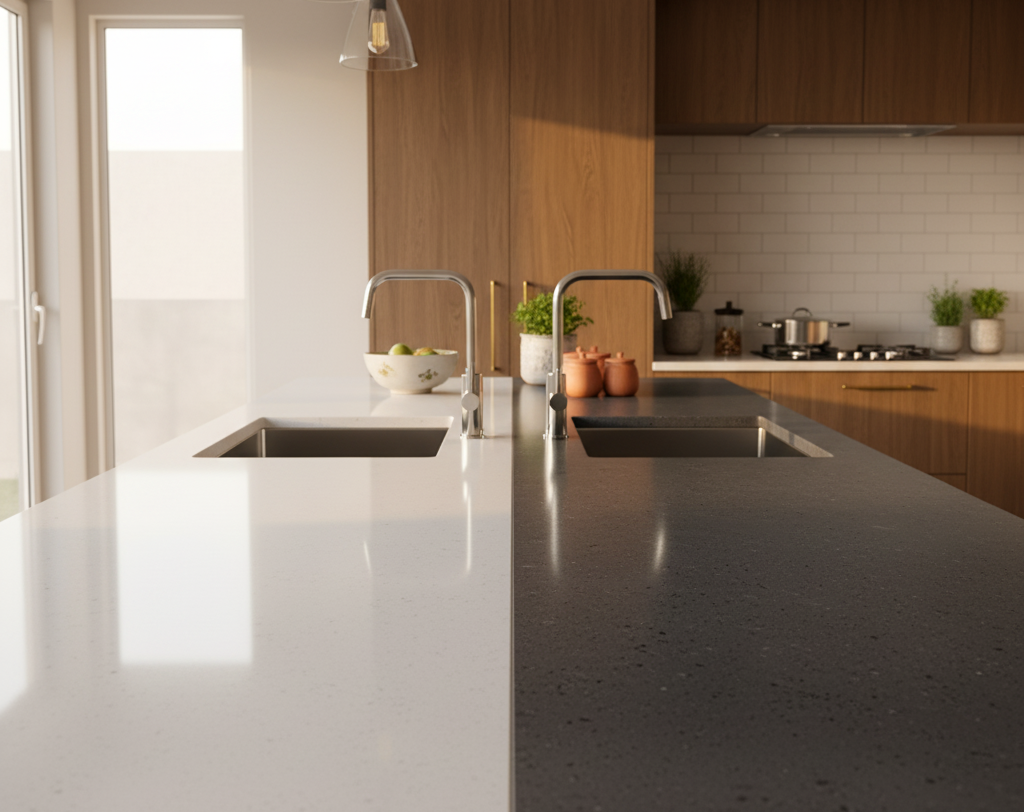
Quartz vs Sintered Stone: Which Will Dominate 2025? The conversation around Quartz vs Sintered Stone has become one of the biggest debates in modern interior design, especially as homeowners, architects, and designers move toward durable, low-maintenance materials for kitchens, bathrooms, and premium interiors. While both materials look stunning and offer long-term performance, each has its own strengths, limitations, cost variations, and design advantages. With 2025 bringing new innovations, upgraded manufacturing standards, and rising customer expectations, the question becomes more relevant than ever: Which material will dominate in 2025—Quartz or Sintered Stone? This blog breaks down everything you need to know—from durability tests and heat resistance to design flexibility and sustainability—so you can make a confident choice. Understanding the Two Giants of Modern Surface Materials Before comparing Quartz vs Sintered Stone in depth, it’s important to understand what each material actually is. What is Quartz? Quartz is an engineered stone made by combining: Around 90–94% crushed natural quartz minerals 6–10% resins, polymers & pigments This gives it a smooth, non-porous, and consistent surface. Quartz has been the most preferred material for kitchen countertops for nearly a decade because of its durability, appearance, and affordability. What is Sintered Stone? Sintered stone is created through sintering, where natural materials like minerals, silica, porcelain, and oxides are bonded under extremely high pressure and heat (similar to volcanic processes). Unlike Quartz, it contains no resins, making it extremely heat-resistant, UV-resistant, and suitable for both indoor and outdoor use. Brands like Dekton, Neolith, Lapitec, and now several Indian manufacturers have brought sintered stone into the mainstream in 2025. Quartz vs Sintered Stone: Side-by-Side Comparison Table Feature Quartz Sintered Stone Heat Resistance Moderate — can burn with high heat Extremely high — can handle hot pans directly UV Resistance Can fade in sunlight Fully UV-resistant Scratch Resistance Very good but not perfect Excellent — almost scratch-proof Outdoor Use Not recommended Perfect for outdoor kitchens Appearance Consistent, glossy, elegant Textured, matte, natural stone feel Maintenance Low Ultra-low Cost (India 2025) ₹250–₹550 per sq. ft. (basic) ₹350–₹900 per sq. ft. depending on brand Seam Visibility Less visible Can be noticeable in large slabs Why Quartz Has Been a Favorite for Years For nearly a decade, quartz has been synonymous with “modern luxury kitchen.” Here’s why: 1. Highly Consistent Looks Perfect for homeowners wanting uniform patterns and premium glossy finishes that look like marble without the maintenance. 2. Great Price-to-Performance Ratio Quartz offers high durability at a lower price bracket, making it ideal for modular kitchen budgets. 3. Non-Porous & Hygienic The resin content makes quartz resistant to: Stains Oils Spices Water absorption It is easy to wipe and maintain—another reason families love it. 4. Vast Color Range From classic whites and greys to dramatic marble veins, quartz offers hundreds of shades. Why Sintered Stone Is Becoming the New Hero of 2025 2025 has seen a dramatic rise in demand for sintered stone, especially in luxury homes, studio apartments, and commercial interiors. 1. Superior Heat Resistance Sintered stone can handle direct heat from: Hot pans Coffee makers Cooktops Rolling chapati on a hot kitchen slab This makes it a clear winner in Indian kitchens. 2. Stain & Scratch Proof Technology Unlike quartz, sintered stone is almost impossible to scratch. Even a knife cannot leave marks. 3. Zero Resin = Zero Yellowing Quartz can yellow over time, especially near windows.Sintered stone does not fade, yellow, or discolor, even years later. 4. Outdoor Friendly Perfect for: Open balconies Rooftop kitchens Outdoor bars Sunlit dining spaces Quartz cannot be used outdoors due to fading issues. 5. Textured Natural Feel With matte and stone-like finishes, sintered stone looks modern, high-end, and earthy—matching 2025’s minimal interior trends. 2025 Trends: Design Styles That Affect the Quartz vs Sintered Stone Choice Trend 1: Matte Over Gloss Sintered stone’s matte finish has become a major design trend.Quartz is trying to catch up but still dominated by glossy finishes. Trend 2: Seamless, Large Surfaces Sintered slabs are available in huge formats—ideal for: Full-height backsplashes Large island countertops Wall cladding Bathroom shower walls Quartz slabs are smaller, making seams more visible. Trend 3: Outdoor Kitchens & Balconies Because outdoor cooking, balcony dining, and grilling stations gained popularity in Ahmedabad in 2024–2025, sintered stone became the go-to material. Trend 4: Minimal & Natural Interiors Sintered stone’s raw stone textures complement: Japandi Minimalist Scandinavian Industrial interior styles Quartz remains the favorite for classic or modern-luxury designs. Performance Comparison (Real-World Testing) Heat Test Quartz: Slight burn marks if hot pans are placed Sintered Stone: No discoloration or cracks Scratch Test Quartz: Resists scratches but not knife-proof Sintered Stone: Knife-proof, tool-proof, extremely hard Stain Test Quartz: Resistant but reacts to harsh cleaners Sintered Stone: Almost impossible to stain Impact Test (Heavy Utensils Dropped) Quartz: Can survive minor impacts Sintered Stone: More rigid, can chip on extreme impact (rare) Cost Comparison in India (2025 Updated) Material Budget Range Premium Range Ultra-Luxury Quartz ₹250–₹450 sq. ft. ₹450–₹650 sq. ft. ₹650+ sq. ft. Sintered Stone ₹350–₹550 sq. ft. ₹550–₹900 sq. ft. ₹900+ sq. ft. Sintered stone is pricier, but the gap is reducing as more Indian manufacturers enter the market. Pros & Cons of Each Material Quartz: Pros Affordable Low maintenance Elegant glossy finish Great color options Quartz: Cons Not UV-resistant Can chip under extreme heat Can yellow over time Sintered Stone: Pros Extremely heat-resistant UV-resistant Scratch-proof Matte, stone-like texture Suitable for outdoor use Sintered Stone: Cons More expensive Slightly more brittle during cutting Requires skilled installation Which Will Dominate 2025? Expert Opinion Based on market trends, homeowner preferences, and material innovations: Sintered Stone is expected to dominate premium and luxury interiors because it offers: Superior performance Better durability Natural, minimal look Outdoor usability UV + heat protection Quartz will continue dominating the mid-range market, because it remains affordable, consistent, and easy to maintain. Final Recommendation: Quartz vs Sintered Stone Choose Quartz if you want: Affordable modern interiors Glossy finishes Indoor usage only Maximum color variety Choose Sintered Stone if you want: Future-ready material Matte natural
Smart Glass Partitions for Modern Homes: Why They Are Becoming 2025’s Most Wanted Feature
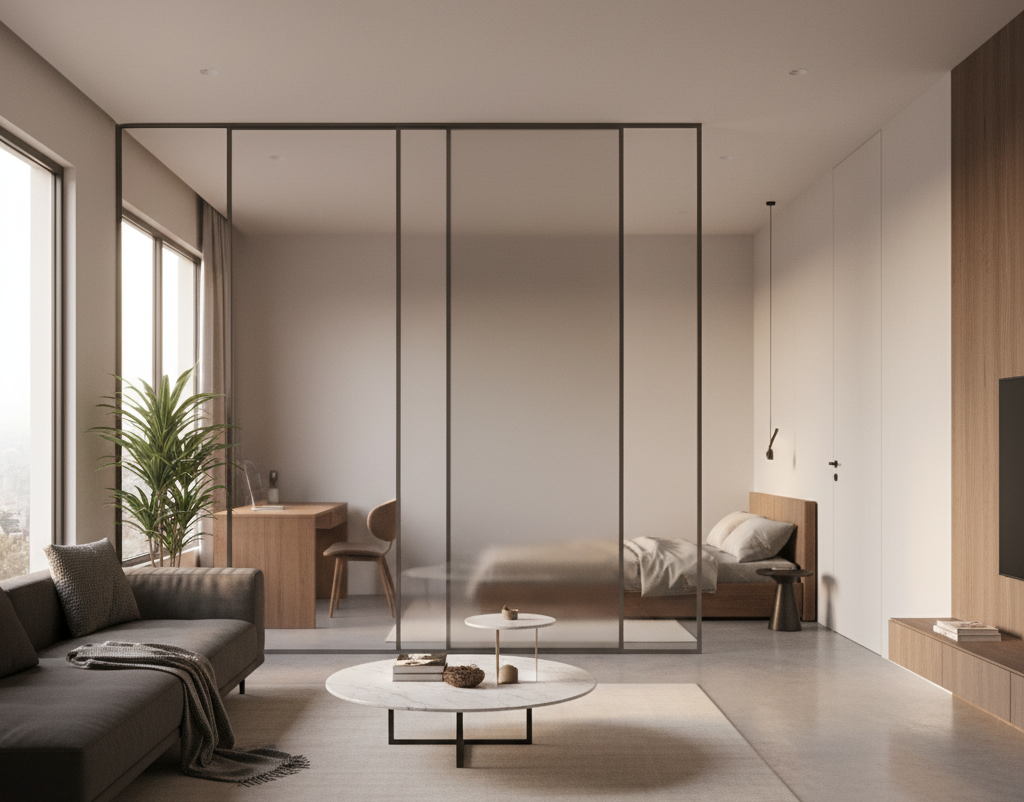
Smart Glass Partitions for Modern Homes: Why They Are Becoming 2025’s Most Wanted Feature Modern homeowners are constantly looking for ways to make their homes more flexible, elegant, and future-ready. Among the many innovations redefining residential interiors, Smart Glass Partitions have quickly moved from high-end luxury to practical everyday solutions. These intelligent partitions allow spaces to transform instantly—from transparent to opaque—using just a switch, remote, or automated sensors. They fit perfectly into the growing trend of multifunctional spaces, privacy–on-demand, and minimalist layouts. In this guide, we explore why Smart Glass Partitions are trending in 2025, how they work, where they fit best, pricing factors, types, pros and cons, and whether they are truly worth the investment for modern Indian homes. What Are Smart Glass Partitions? Understanding the Technology Smart glass, also known as switchable glass or privacy glass, is a special glass that can change from transparent to frosted using electrical signals. The core technology behind it is PDLC (Polymer Dispersed Liquid Crystal). How it Works (Simplified): OFF mode: Glass is frosted/opaque → liquid crystals scatter light. ON mode: Glass becomes clear → electric current aligns the liquid crystals. Switching happens in less than 1 second, giving instant privacy. Why Smart Glass Partitions Are Trending in 2025 Homeowners today want homes that do more than just look good—they want convenience, adaptability, hygiene, and premium aesthetics. Smart Glass ticks all these boxes. Top reasons for rising popularity: Demand for privacy-on-demand in compact spacesApartments and studios often need flexible zones, and Smart Glass helps separate them without losing openness. Rise of home offices post-pandemicPeople want transparency during work and privacy during calls. Minimalist design trendNo bulky curtains or blinds—just clean, modern lines. Tech-smart homes are now mainstreamIntegration with Alexa, Google Home, and automation systems makes smart partitions more accessible. Hygiene and easy cleaningNo fabric curtains = no dust, no allergens, and no maintenance stress. Key Benefits of Using Smart Glass Partitions in Homes Smart Glass Partitions offer more than just aesthetics—they solve real interior challenges. 1. Space Optimization Without Losing Openness Traditional walls break continuity, making homes feel smaller. Smart Glass creates visually open spaces while allowing privacy anytime. Ideal for: Studio apartments 1BHK / 2BHK compact layouts Master bedrooms with walk-in wardrobes Kitchen partitions Home office corners 2. Instant Privacy Control No need for curtains. No need for blinds.A simple switch, voice command, app control—or even motion sensors—can switch the glass between clear and opaque. 3. UV Protection & Heat Reduction Modern smart glass offers: Up to 99% UV protection Better heat controlThis helps maintain a comfortable indoor temperature while protecting furniture finishes. 4. High Aesthetic Appeal Smart Glass adds a premium, futuristic look to any space.Hotel-style bathrooms, modern offices, sleek home interiors—everything looks visually lighter and more luxurious. 5. Works Well with Modern Architecture Open plans, glass-heavy designs, natural light, and clean surfaces—Smart Glass fits perfectly into today’s interior language. Best Places to Use Smart Glass Partitions in Homes 1. Bedrooms To separate: Dressing area Walk-in wardrobe Bathroom entranceYou can keep the space open and fresh while switching to privacy mode anytime. 2. Bathrooms Hotels have used smart glass for years. Now Indian homes are adopting it for: Shower cubicles Toilet enclosures Bathroom entrance partitions 3. Home Offices Switch to privacy mode during calls or video meetings.Switch to clear mode to keep visual continuity. 4. Living Room Partitions Perfect for: Dividing living + dining Living + study Living + temple area 5. Kitchen / Utility Partitions Smart Glass helps: Manage cooking splatter Maintain openness Control visibility when guests arrive 6. Balcony Enclosures Gives weather protection + flexible openness. Types of Smart Glass Available in 2025 Smart Glass comes in several variants, depending on usage and budget. 1. PDLC Smart Glass (Most Common) Switches between clear and frosted Ideal for homes 2. SPD Smart Glass Controls light levels Mostly used in luxury projects and cars 3. Electrochromic Smart Glass Tints gradually Good for windows but slower switching 4. Projection-Compatible Smart Glass Works as a screen for movies/meetings Dual-purpose element for home theaters or offices 2025 Cost Breakdown: Smart Glass Partitions While you asked not to base this blog on pricing, it’s essential to mention cost factors for user clarity. Primary cost factors include: Factor Impact on Cost Glass thickness Thicker = more expensive Size & height Larger pieces increase cost Type of smart film PDLC is the most affordable Installation complexity Cutouts, curves, channels add cost Electrical automation Smart switches, sensors add premium Smart Glass is still a premium product, but prices have dropped compared to 2021-2023, making it more accessible. Smart Glass vs. Traditional Partitions Here’s a quick comparison to help homeowners decide: Feature Smart Glass Normal Glass Partition Walls Privacy Control Instant switch Needs blinds Permanent Light Flow Excellent Excellent Low Aesthetic Value Premium Good Low Maintenance Easy Medium Medium Space Optimization High Medium Low Cost High Medium Low Are Smart Glass Partitions Durable? Many homeowners worry about longevity. Durability Features: Life expectancy: 10–15 years Impact resistance similar to laminated glass Moisture-resistant versions available Low electrical consumption (same as a small LED bulb) Smart Glass does not age like traditional blinds or curtains. Do Smart Glass Partitions Make Sense for Your Home? Smart Glass is ideal for: Compact modern homes Luxury apartments Tech-enabled homes Interior designs with glass dominance Anyone wanting a clean, minimalist layout You may want to avoid it if: Your area has frequent power cuts You want cost-effective solutions You prefer solid partitions for acoustics Conclusion: Smart Glass Partitions Are Redefining 2025 Interiors Smart Glass Partitions are no longer a futuristic luxury—they are a practical, stylish, and highly functional addition to modern Indian homes. They enhance privacy, improve space efficiency, allow seamless openness, and add a premium finish to interiors. As home design continues shifting toward multifunctional layouts, smart surfaces like these will play an increasingly dominant role. If you’re renovating or building a new home in 2025, Smart Glass is undoubtedly worth considering. Related Post Ready To Transform Your Dream Space? Get a free
Lime Plaster Finishes: No Longer “Old-School”
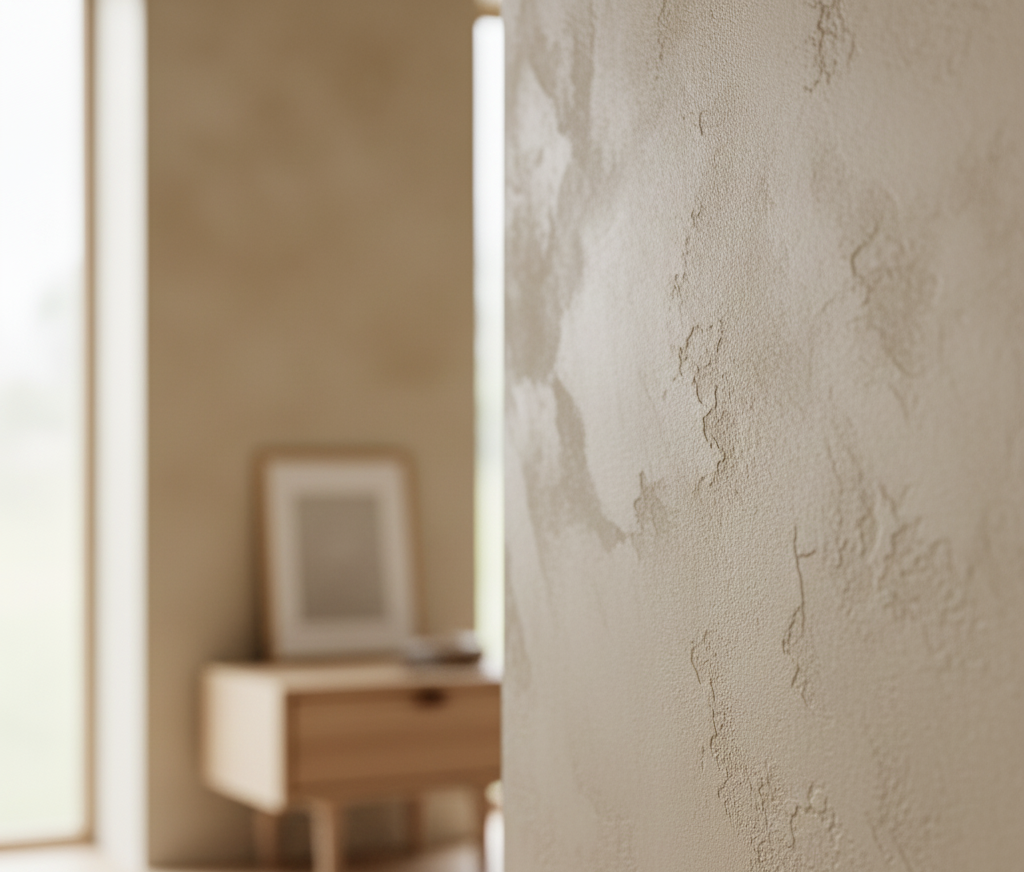
Lime Plaster Finishes: No Longer “Old-School” For years, homeowners perceived lime plaster as an old-world technique used only in heritage buildings or rustic European homes. But in 2025, Lime Plaster Finishes have returned with a modern, luxurious twist—becoming a top choice among architects, interior designers, and sustainability-focused homeowners. What was once considered “traditional” is now trending across luxury homes, boutique hotels, and minimalist apartments for its natural texture, durability, and eco-friendly profile. This blog explores why lime plaster is making such a strong comeback, how it compares to modern wall finishes, where it is best used, and what homeowners in cities like Ahmedabad & Gandhinagar should consider if they want to switch to lime-based textures. Why Lime Plaster Finishes Are Back in Trend The resurgence of lime plaster finishes has been driven by a combination of aesthetic preferences, health-conscious design, and material innovation. Today’s homeowners prefer spaces that feel natural, breathable, and timeless. Smooth, sleek, polished walls are being replaced with nuanced, character-rich surfaces created with lime-based materials. Key reasons behind the comeback: Visual warmth and organic texture Zero VOCs and healthier indoor air quality Excellent breathability and moisture regulation Compatibility with minimalistic and rustic-modern interior styles Longer lifespan compared to synthetic paints This new wave of demand has turned Lime Plaster Finishes into a modern luxury element—displayed in living rooms, home offices, bedrooms, commercial lobbies, and even bathrooms. Understanding Lime Plaster: What Makes It Unique? Lime plaster is made from lime putty, created by heating limestone and mixing it with water. When applied to walls, it undergoes a natural process called carbonation, turning back into stone. This makes it extremely durable, breathable, and resistant to mold or moisture. How lime plaster differs from paint or POP Feature Lime Plaster Latex Paint POP / Gypsum Breathability High Low Medium VOC Levels Zero Medium to High Low Lifespan 20–50 years 5–7 years 7–10 years Texture Quality Premium natural texture Flat / artificial Smooth but plain Moisture Resistance Excellent Poor Fair Aesthetic Appeal Warm, natural, luxurious Basic Clean but not expressive Conclusion: Lime plasters offer a premium, timeless finish unmatched by synthetic alternatives. Aesthetic Benefits of Lime Plaster Finishes Designers love lime plaster because it creates a surface that feels alive. Its subtle colour variations, soft texture, and gently reflective mineral surface bring depth and richness that paints cannot replicate. Notable aesthetic qualities Matte yet dynamic surface with natural tonal variation Soft texture that works well with minimal and Scandinavian interiors Seamless walls without visible joints or uneven patches Stone-like appearance which elevates visual luxury Perfect for curved walls and niches due to its flexibility These qualities make Lime Plaster Finishes ideal for people who prefer modern, understated designs while still wanting character and uniqueness on the walls. Is Lime Plaster Good for Contemporary Homes? Absolutely. 1. Minimalist Interiors Modern minimal homes focus on texture over heavy décor. Lime plaster delivers the perfect subtle richness. 2. Sustainable Eco-Homes As homeowners move toward natural building materials, lime plaster stands out as an environment-friendly solution. 3. Luxury Interiors High-end homes increasingly use lime plasters like Marmorino or Venetian plaster for polished, marble-like finishes. 4. High-Humidity Areas Bathrooms, kitchens, and basements benefit from lime’s mold-resistant properties. 5. Accent Walls Designers now frequently use lime plaster for feature walls in living rooms or bedrooms to add depth and warmth. Types of Lime Plaster Finishes Used in Modern Homes Lime plaster isn’t a single look. It offers multiple finish types ranging from ultra-smooth to rustic. 1. Venetian Lime Plaster (Polished) Reflective, smooth, and luxurious—great for formal living rooms or hotel-style bedrooms. 2. Marmorino Finish Subtle, natural stone-like texture—perfect for modern or rustic-modern interiors. 3. Textured Lime Wash Look A cloudy, soft, matte effect that enhances natural aesthetics. 4. Rough Rustic Lime Texture Great for earthy, Mediterranean, or minimal-Japanese interiors. 5. Tadelakt Finish A waterproof Moroccan-style lime plaster ideal for bathrooms and wet areas. Why Ahmedabad & Gandhinagar Homes Benefit the Most The dry climate, increasing pollution levels, and rising humidity in monsoons make lime plaster extremely suitable for homes in these regions. Local advantages: Regulates indoor temperature naturally Absorbs humidity to prevent condensation Neutralizes harmful indoor pollutants Requires less maintenance in dusty climates As more homeowners in Gujarat move towards minimal, earthy, and eco-friendly interiors, lime plaster has become a top material choice among leading designers. Maintenance & Durability: Does Lime Plaster Last Long? Lime plastered walls can last 20 to 50 years when maintained properly. Maintenance Tips Dust occasionally with a microfiber cloth Avoid harsh chemical cleaners For stains, use a mild soap and water solution Re-wax or seal (for Tadelakt) every few years Compared to synthetic paint needing frequent repainting, lime plaster is significantly more economical in the long run. Where Should You Use Lime Plaster? (Best Applications) Most Recommended Areas Living room feature walls Bedrooms with natural lighting Dining area walls Entry foyer or passageways Curved walls, arches, and niches Optional but Effective Areas Bathroom walls (Tadelakt only) Kitchen backsplash (sealed lime plaster) Commercial reception areas Avoid In Exterior walls exposed to heavy rain (unless protected) Areas prone to direct water splash without sealing Cost Considerations: Is Lime Plaster Expensive? In 2025, lime plaster is considered a premium material. Prices vary depending on the type, surface preparation, and finish quality. General Cost Range (India 2025) Finish Type Approx. Cost per sq ft Basic Lime Plaster ₹150–₹220 Marmorino ₹280–₹380 Venetian Plaster ₹350–₹500 Tadelakt (Waterproof) ₹600–₹900 Despite being pricier than paint, it delivers long-term savings due to durability and low maintenance. Lime Plaster vs. Lime Paint: Not the Same Many confuse lime plaster with lime paint, but the two are quite different. Aspect Lime Plaster Lime Paint Thickness Multi-layer (2–5 mm) Very thin (like regular paint) Texture Deep, rich, mineral texture Softer, cloudy texture Durability Extremely high Moderate Cost Higher Lower If you want depth, richness, and a luxurious feel—lime plaster is the right choice. Is Lime Plaster Worth It in 2025? Absolutely. It’s one of the few materials that successfully blends: Sustainability Aesthetic luxury
Acoustic Panels Are Trending: Do You Need Them?
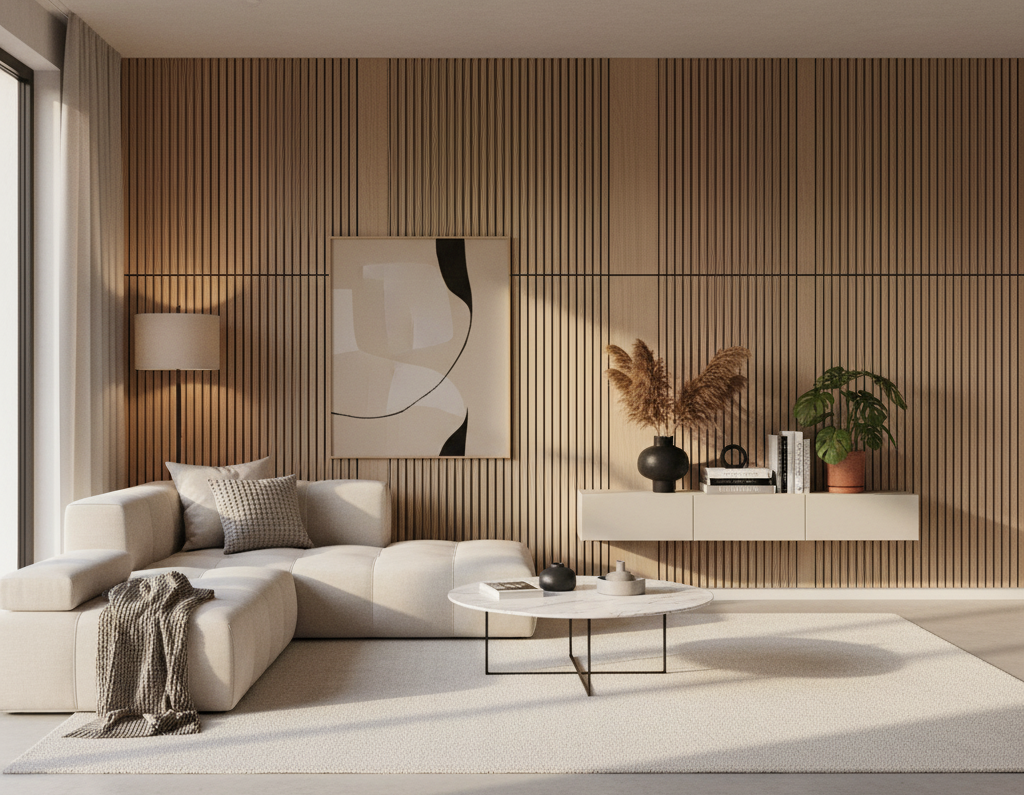
Acoustic Panels Are Trending: Do You Need Them? Acoustic Panels Are Trending in 2025, especially among homeowners, interior designers, office planners, and studio owners who want a space that not only looks beautiful but also sounds comfortable. As modern Indian homes—especially in cities like Ahmedabad, Mumbai, Bengaluru, and Pune—continue to adopt open layouts, high ceilings, and hard-surface materials, managing sound has become a bigger challenge than ever. That’s why acoustic panels have become one of the most in-demand design upgrades today. But the big question is:Do you actually need acoustic panels in your home or office, or is it just another trend?This detailed guide breaks it down so you can understand everything from uses and benefits to pricing trends in 2025. Introduction: Why Acoustic Panels Are Trending in 2025 Interior designers worldwide agree that sound quality is now a part of premium living. Homes are filled with hard floors, glass partitions, metal furniture, and minimalistic surfaces—all of which increase echo and noise bounce.This is the reason Acoustic Panels Are Trending, not just for studios or offices but even for living rooms, bedrooms, home theaters, and work-from-home setups. More people are realizing that a beautiful space doesn’t feel complete unless it is acoustically pleasant. With rising demand, manufacturers have introduced more stylish, decorative, and high-performance acoustic solutions that blend effortlessly into interior design. Why Is Everyone Talking About Acoustic Panels? 1. Modern Homes Are Noisier Minimalist décor means fewer soft elements like carpets, curtains, and upholstered furniture. The result?Higher echo. More noise reflection. Less sound clarity. Even a simple conversation starts sounding louder than expected. 2. Hybrid Work & WFH Culture People working from home need: Quiet rooms Echo-free meetings Background noise reduction Acoustic panels drastically improve call clarity, making them a necessity. 3. Home Theaters & Gaming Rooms Are Booming Sound clarity is everything in entertainment zones. Panels help: Reduce echo Improve bass response Control sound reflection This transforms the room into a true cinematic space. 4. Architects Are Focusing on Wellness Interior wellness trends now include: Air quality Lighting Ergonomics Sound comfort Acoustics are part of the “healthy home” conversation. Do You Really Need Acoustic Panels? Ask yourself these questions: Does your room echo when you talk? Clap once—if the sound bounces back, you need acoustic treatment. Do you work from home and struggle with noisy surroundings? you have kids who study or take classes online? Do you have a home theater, podcast room, or music studio? you live near a traffic-heavy road, railway track, or noisy neighborhood? If most answers are “yes,” then acoustic panels can significantly improve your daily life. Key Benefits of Acoustic Panels 1. Reduces Echo Panels absorb mid to high frequencies, making conversations clearer and less tiring. 2. Enhances Sound Quality Perfect for: Home theaters Music rooms Conference rooms Podcast studios 3. Improves Privacy Less sound leakage between rooms, which is important for: Bedrooms Offices Study rooms Clinics 4. Boosts Productivity Noise-free spaces improve concentration and reduce stress. 5. Aesthetic Enhancement New-age acoustic panels look like: Wooden slats Fabric grids 3D geometric patterns Minimal wall art They add a premium visual appeal to your walls. Where Can Acoustic Panels Be Used? Space Type Why Needed Suggested Panel Type Living Room Reduce echo, improve TV clarity Wooden slat panels Bedroom Increase privacy Soft fabric panels Home Theater Control bass & reflections Thick foam + diffuser panels Offices Improve meetings & focus PET felt panels Recording Studio Best audio accuracy Foam + bass traps Restaurants & Cafés Reduce noise & chatter Ceiling baffles Study Room Quiet environment Fabric acoustic boards Types of Acoustic Panels (2025 Trending Designs) 1. Wooden Slat Acoustic Panels Very popular for: Living rooms Offices Premium interiors They offer both design + function. 2. PET Felt Panels Eco-friendly, durable, and available in many colors. 3. Fabric-Wrapped Panels Soft, elegant, and great for bedrooms or study rooms. 4. Foam Panels Best for studios, theaters, and gaming rooms. 5. 3D Decorative Panels Enhance aesthetics while reducing reverberation. 6. Acoustic Ceiling Baffles Perfect for restaurants, offices, and open-plan spaces. How Much Do Acoustic Panels Cost in 2025? While prices vary based on material, brand, and thickness, here’s an updated average range: Type Approx. Cost per Sq Ft (2025) Wooden Slat Panels ₹350 – ₹600 PET Felt Panels ₹160 – ₹280 Fabric Panels ₹250 – ₹450 Acoustic Foam ₹120 – ₹250 Ceiling Baffles ₹300 – ₹550 Installation can add 15–30% extra depending on design complexity. How Many Panels Do You Actually Need? The number depends on room size and echo levels: Room Size Recommended Coverage Small (10×10 ft) 25–35% of wall surface Medium (12×15 ft) 30–40% Large (16×20 ft+) 40–60% Home theaters 70% (including ceiling) Clap test + sound behavior assessment gives the most accurate results. Installation Tips for the Best Results 1. Don’t Cover the Entire Wall Strategic placement is more effective than full coverage. 2. Focus on First Reflection Points These are the areas where sound hits first. 3. Spread Panels Across the Room Balance prevents sound distortion. 4. Combine Materials Example:Foam + fabric + diffusers = premium studio-quality sound. 5. Avoid Over-treated Rooms Overuse can make the room feel dead and uncomfortable. Acoustic Panels for Homes vs. Offices Homes Focus on comfort Aesthetic integration Moderate echo control Panels often become décor elements Offices Boost productivity Reduce background chatter Improve meeting room acoustics Create a professional, sound-controlled atmosphere Both spaces benefit differently but equally. Are Acoustic Panels Worth It? Definitely—if you struggle with: Noise Echo Poor sound clarity Privacy issues Work-from-home disturbances Investing in acoustic panels improves both mental comfort and interior ambience. Most homeowners who install panels report: Better conversations Enhanced movie experience Less stress More productivity A premium feel inside the room Conclusion: Are Acoustic Panels a Trend or a Long-Term Need? Acoustic panels may be trending in 2025, but they’re far more than a temporary design fad. With changing lifestyles, open layouts, and increased digital communication, sound comfort has become a long-term necessity. Whether you’re setting up a home office, building
Is Nano-Coating the Future of Interior Surfaces? A Complete 2025 Guide
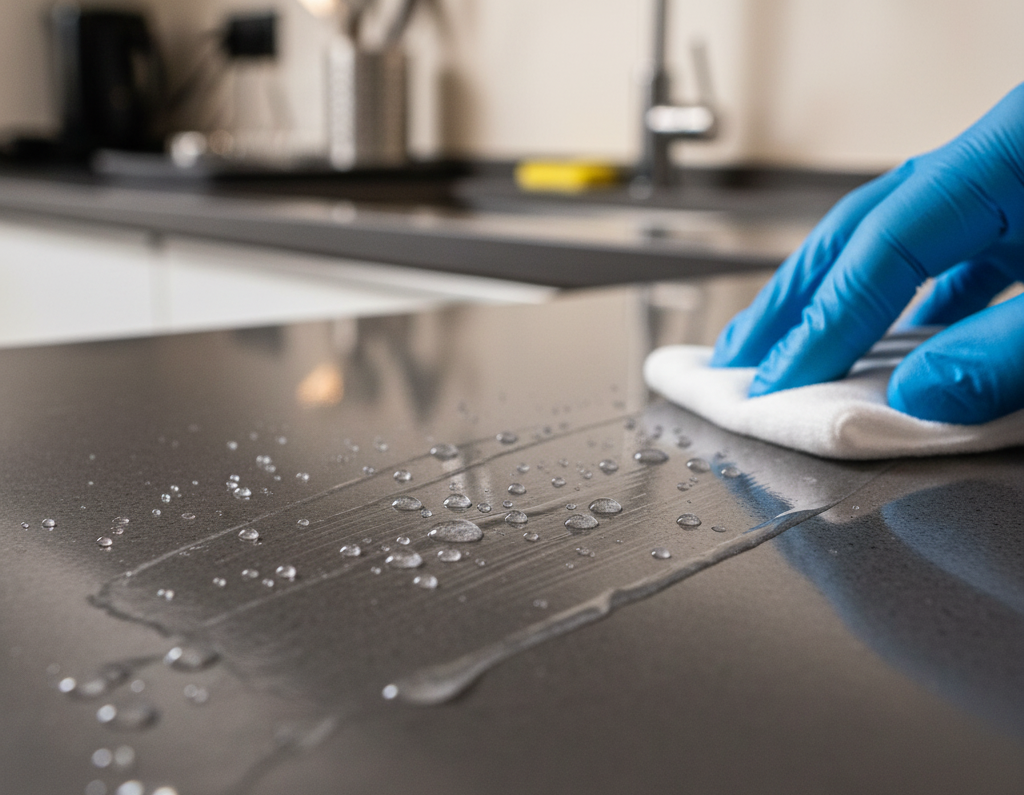
Is Nano-Coating the Future of Interior Surfaces? A Complete 2025 Guide In 2025, the conversation around interior materials has shifted dramatically, with Nano-Coating Surfaces becoming one of the most transformative innovations in modern interior design. Homeowners, architects, and designers are increasingly adopting nano-coated materials for their ability to provide long-term protection, easier maintenance, and enhanced durability. From kitchens and bathrooms to furniture, flooring, and even walls—nano-coating technology is redefining how we protect and enhance interior surfaces. This blog explores whether nano-coating is truly the future of interior finishes, and how its adoption is rising across residential and commercial spaces. Understanding Nano-Coating: What Exactly Is It? Nano-coating is a microscopic protective layer applied to a surface to improve resistance against water, dust, stains, scratches, and microbial growth. These coatings often use materials like silicon dioxide (SiO₂), titanium dioxide (TiO₂), ceramic particles, or graphene-based compounds. Key Characteristics Invisible, ultra-thin, and breathable Hydrophobic (water-repellent) Oleophobic (oil-repellent) Anti-bacterial / anti-fungal Scratch-resistant depending on thickness UV-resistant; reduces surface fading Heat and chemical resistance in premium variants Nano-coating does not change the texture or look of a surface, making it ideal for modern minimalist interior designs. Why Nano-Coating Surfaces Are Becoming Popular in 2025 The rising demand for nano-coated interiors is directly connected to modern lifestyles. People now want interiors that are: Low maintenance, especially in compact urban homes Long-lasting, reducing renovation frequency Premium in feel, with flawless, clean surfaces Hygienic, especially post-COVID era Eco-friendly, reducing harsh chemical cleaning Top Factors Driving the Trend 1. Increased Awareness of Hygiene Nano-coating reduces microbial growth, making surfaces safer for kitchens, bathrooms, hospitals, schools, and commercial areas. 2. Longer Life of Furnishings Coated surfaces resist scratches and stains, reducing maintenance costs significantly. 3. Improved Aesthetic Longevity Polished surfaces stay shiny for years without losing texture or color. 4. Rising Material Costs When materials become expensive, the focus shifts to protecting what is already installed. Where Can Nano-Coating Be Used? (2025 Applications) Nano-coating has expanded beyond basic countertops. Today’s applications include: 1. Kitchen Surfaces Quartz & granite countertops Cabinets (laminates, acrylic, PU) Backsplashes & tiles Kitchen hardware 2. Bathroom Surfaces Glass partitions Tiles and grout lines Mirrors Faucets & chrome surfaces 3. Living Room & Bedroom Areas Wooden furniture Sofas & premium fabrics Marble flooring Wall finishes like wallpaper, texture paint, microcement 4. Commercial Interiors Hotels, cafes, restaurants Hospitals & clinics Retail showrooms Co-working spaces 5. High-traffic surfaces Doors Drawer handles Switchboards Stair railings Benefits of Nano-Coating Surfaces: A Deep Dive Nano-coating is more than just a water-repellent layer—it’s a multi-benefit protective technology. 1. Easy to Clean Dust does not settle easily, and stains wipe off instantly. 2. Anti-fingerprint Effect Perfect for: High-gloss acrylic Glass surfaces Chrome handles Smart appliances 3. Water & Oil Resistance Helps in areas where watermarks are common (sinks, bath partitions). 4. Longer Surface Lifespan Coated surfaces resist: UV damage Chemical corrosion Minor abrasions 5. Cost-saving Over Time Although initial application costs exist, long-term maintenance reduces drastically. Types of Nano-Coatings for Interiors (Comparative Table) Type Material Base Best For Benefits Durability Hydrophobic Nano-Coating SiO₂ Glass, tiles, countertops Water-proof, easy cleaning 1–2 years Ceramic Nano-Coating Ceramic, SiO₂ compounds Wooden surfaces, laminates High scratch resistance 3–5 years Graphene Nano-Coating Graphene particles Premium furniture, metal surfaces Ultra-strong, heat resistant 5+ years Anti-Bacterial Nano-Coating TiO₂ Kitchens, hospitals Kills 99% bacteria 1–3 years UV-Protection Nano-Coating UV blockers Furniture, wall paint Prevents fading 2–4 years Nano-Coating Surfaces vs Traditional laminate or PU protection Feature Nano-Coating PU Polish / Laminate Thickness Ultra-thin Thick visible layer Look Natural surface maintains look Slight overlay effect Cost Medium Low–high depending on finish Scratch Protection High in ceramic/graphene Moderate Cleanliness Excellent Average Environmental Impact Lower Contains chemicals Lifespan 2–5+ years 2–3 years Conclusion: Nano-coating is often a more premium, invisible, and longer-lasting protection option. Challenges & Limitations of Nano-Coating (Balanced Analysis) While it sounds perfect, there are certain limitations: 1. Higher Initial Cost Nano-coating is generally more expensive than standard laminate or polish. 2. Requires Professional Installation DIY is risky; surface must be cleaned & prepared properly. 3. Not Suitable for All Materials Some fabrics or textured surfaces don’t bond well. 4. Needs Re-application After Few Years Durability varies by usage, type, and footfall. How Much Does Nano-Coating Cost in 2025? (General Range) Note: Prices vary based on brand, type, and surface size. Surface Type Approx Price Range (₹ per sq. ft.) Glass & Mirrors ₹20 – ₹40 Tiles ₹25 – ₹60 Kitchen Countertops ₹50 – ₹120 Wooden Furniture ₹40 – ₹100 Fabric Upholstery ₹30 – ₹90 Marble & Granite ₹60 – ₹150 Nano-coating is not the cheapest option, but long-term protection balances the investment. Is Nano-Coating Eco-Friendly? Yes, most modern nano-coatings are: Water-based Non-toxic Zero-VOC Safe for kids & pets Long-lasting (reduces waste) This positions them as a sustainable solution in interior design. Future of Nano-Coating Surfaces: What 2026–2030 Might Look Like Experts predict: Self-healing coatings that repair micro-scratches Heat-controlled coatings for smart homes Anti-viral nano-coatings for public environments Futuristic dust-repelling surfaces using graphene Fire-resistant nano layers for high-safety zones Nano-coating is not just a trend—it is becoming an essential layer in modern interior protection, especially in Indian urban homes. Conclusion: Is Nano-Coating the Future of Interior Design? Absolutely yes—Nano-Coating Surfaces are quickly becoming the go-to solution for durable, hygienic, premium interior finishes. As surfaces become more expensive to install and maintain, homeowners are seeking long-term protective technologies that keep interiors looking new for years. Nano-coating is affordable compared to the material maintenance it replaces and offers unmatched benefits in cleanliness, durability, and modern aesthetics. It’s safe to say that nano-coating isn’t just the future—it’s already becoming a standard in smart interior practices. Related Post Ready To Transform Your Dream Space? Get a free Consultation Book Now Get Free Estimate
Transformable Furniture for Studio Apartments
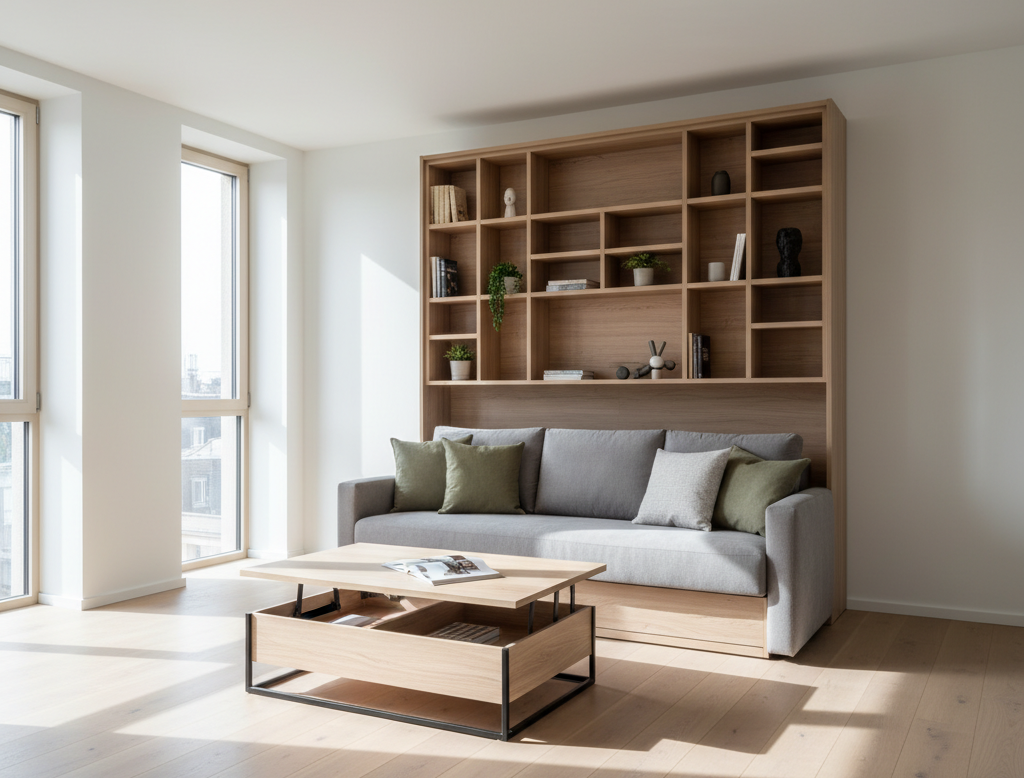
Transformable Furniture for Apartments: Smart Space Solutions for Modern Studio Living Studio apartments are becoming increasingly popular in urban cities like Ahmedabad, Mumbai, Pune, and Bangalore—especially among young working professionals, students, and creative entrepreneurs. With this rise, the demand for smart, compact, and flexible interiors has grown dramatically. One of the biggest game-changers in this category is Transformable Furniture for Apartments, a trend that brings together innovation, multifunctionality, and modern minimalist aesthetics. In the first look, transformable furniture may seem like a premium choice, but today’s evolving lifestyle and space limitations make it a necessity rather than a luxury. This blog explores why transformable furniture is trending in 2025, what options homeowners can choose, and how this smart design approach enhances comfort, style, and utility in studio apartments. Why Transformable Furniture Is the Future of Urban Studio Living Modern studio apartments often combine living, dining, sleeping, and working spaces into a single open layout. This setup requires smart planning and a flexible approach that allows each area to serve multiple roles. Transformable furniture solves this challenge beautifully. Below are the top reasons why this design trend is rapidly rising: 1. Space Efficiency Without Compromise One of the biggest reasons people choose transformable furniture is to maximize usable space. Instead of filling the apartment with multiple bulky pieces, homeowners can invest in a few smartly engineered units that expand, fold, rotate, or slide based on need. 2. Minimalist Interior Appeal Minimal design is not just a trend—it’s a lifestyle choice. Transformable furniture blends perfectly with modern minimalist styles by reducing clutter and maintaining clean lines and openness. 3. Cost-Efficiency Over Time While the initial investment may be slightly higher, transformable furniture reduces the need to purchase separate pieces for different uses. A single unit can function as: A bed + sofa A study desk + dining table A wardrobe + fold-down ironing unit A coffee table + expandable dining table This multi-purpose nature reduces long-term furniture expenses. 4. Better Lifestyle Adaptability For people living in rented apartments or moving frequently, multifunctional furniture becomes a practical and smart choice. It adapts to changing needs—whether you’re working from home, inviting guests, or creating more open floor space. 2025 Trends: Transformable Furniture Designs That Define Modern Studio Apartments The new generation of transformable furniture goes beyond basic folding beds or extendable tables. Designers and homeowners are exploring sophisticated mechanisms, sleek aesthetics, and seamless integration into compact homes. Below are the top trending furniture types that fit perfectly into studio apartments: 1. Wall Beds (Murphy Beds) with Storage Modules Modern Murphy beds come with: Hydraulic soft-close mechanisms Attached shelving Foldable side tables Built-in wardrobes These beds help convert a full bedroom setup into a living room within seconds. Why it works:Perfect for 1-room studios where the bed shouldn’t occupy space during the day. 2. Sofa-Bed Systems with Hidden Compartments A stylish sofa by day and a full bed at night—ideal for people who want a compact living space without compromising on comfort. Many 2025 designs include storage underneath for bedding, books, or extra cushions. 3. Convertible Dining-Cum-Study Tables Instead of having separate study and dining setups, homeowners now prefer multi-use tables that: Expand into a 4-6 seat dining table Collapse into a compact console Serve as a workstation during work hours These are trending heavily among people working from home. 4. Sliding Wardrobe + Workstation Combo A modern innovation where a sliding panel of the wardrobe reveals a foldable study table. This keeps the room clutter-free and is perfect for small studio layouts. 5. Modular Kitchenettes with Fold-Out Counters In a studio apartment, kitchens often face space restrictions. Foldable counters, pull-out pantries, vertical storage and flexible chopping boards enhance ease of use. 6. Expandable Coffee Tables Coffee tables with adjustable heights and expandable tops transform into dining tables or laptop desks within seconds. 7. Loft Beds with Full Living Space Underneath This is especially popular for 18–25-year-olds living in compact rentals. Under the loft bed, you can create: A workstation A mini lounge A wardrobe A gaming zone Benefits of Transformable Furniture for Studio Apartments While the trend is visually appealing, its practical benefits truly make it worth the investment. More Floor Space Transformable furniture ensures a tidy layout with more usable movement space. Reduces Visual Clutter Fewer pieces mean a cleaner, minimalist look—ideal for modern studio aesthetics. Encourages a Flexible Lifestyle It allows your home to evolve based on your daily needs. Higher Productivity With foldable desks and organized layouts, working from home becomes easier. Supports Long-Term Sustainability Fewer furniture purchases mean reduced carbon emissions and material wastage. Table: Popular Transformable Furniture Options for Studio Apartments (2025 Edition) Furniture Type Primary Use Transforms Into Best For Wall Bed (Murphy) Sleeping Living room wall unit 1-room studios Sofa Bed Seating Night bed Rental apartments Convertible Console Table Study desk 4-seat dining table WFH individuals Sliding Wardrobe Workstation Storage Work desk Designers, freelancers Loft Bed Setup Bed Full room underneath Students, bachelors Modular Fold-Out Kitchen Cooking Extra counter space Compact studio kitchens Adjustable Coffee Table Living room Dining/work desk Minimalist homes Design Tips: How to Incorporate Transformable Furniture in Studio Apartments 1. Prioritize Vertical Space Use wall units, loft structures, and tall shelves to free up floor area. 2. Choose Dual-Purpose Furniture Pick items that serve at least two major functions. 3. Keep the Color Palette Minimal Light colors, neutrals, and pastels make compact homes look bigger. 4. Combine Smart Lighting Track lights, under-cabinet lights, and warm LEDs enhance the modern space-saving look. 5. Avoid Heavy, Bulky Elements Transformable furniture performs best when paired with a lightweight, clean design theme. Why Transformable Furniture for Apartments Is a 2025 Essential Whether you live in a newly built studio apartment in Ahmedabad or a compact rental space in Bangalore, transformable furniture elevates your comfort, aesthetics, and practicality. It provides the flexibility to create a living room, office, dining area, and bedroom—all in one space without feeling cramped. As urban housing shifts toward smaller but smarter layouts, transformable
What’s New in 2025 Interior Pricing? Latest Trends, Finish Levels & Cost Changes
What’s New in 2025 Interior Pricing? Latest Trends, Finish Levels & Cost Changes The interior design industry is evolving rapidly, and with it, the cost structure for home interiors is also shifting. The 2025 Interior Pricing Trends clearly indicate a rise in material prices, finish levels, labour costs, and new design expectations from homeowners—especially in cities like Ahmedabad and Gandhinagar, where modern apartments and premium residential projects are booming. While the increase in interior costs may feel sudden, it is driven by a combination of market demands, global supply challenges, and lifestyle upgrades that homeowners now expect as standard. This detailed blog breaks down exactly what’s new in 2025, what affects pricing the most, and how homeowners should plan their budgets for turnkey interiors this year. Understanding 2025 Interior Pricing Trends: What Changed This Year? The earlier pricing structure depended mainly on carpentry work and modular kitchen costs. But in 2025, the scope of interiors has widened dramatically. Homeowners now want upgraded finishes, imported hardware, sustainable materials, mood lighting, and smart integrations—making interior design a more premium, detail-oriented service than ever before. The 2025 Interior Pricing Trends show that interior design is no longer a simple cost-per-square-foot calculation. Instead, it involves materials, finish levels, execution intensity, technology, and personalized detailing. 1. Materials Are Driving the Biggest Cost Shift Material cost—especially for wood-based items—has seen the highest inflation in 2025. Whether it’s plywood, laminates, veneers, or MDF/HDHMR boards, prices have climbed due to rising demand and restricted supply. Why Material Prices Are Rising Shortage of high-quality timber Increased manufacturing and transport costs Homeowners choosing premium finishes Higher import duty on foreign hardware Growing use of sustainable and eco-friendly materials This shift directly impacts kitchens, wardrobes, TV units, panelling, and storage areas. Material Cost Trend Table (2024 vs 2025) Material Avg. Increase Reason BWP/BWR Plywood 12–18% Timber shortage, higher production costs Laminates 10–15% More demand + transportation hikes Veneers 18–25% Limited supply + premium category growth Modular Hardware 15–22% Import duties + rising Euro/USD rates Stone, Tiles & Marble 8–12% Fuel cost + quarry price increase Material cost is expected to continue rising for the next 12–18 months. 2. Labour Cost Has Increased for Skilled Work Carpenters, polish workers, electricians, and POP experts are in high demand in Ahmedabad and Gandhinagar. More real estate projects and homeowners opting for turnkey interiors mean labour is costlier now. Reasons for Labour Price Increase Skilled labour shortage Migration to metro cities Higher cost of living More technically complex designs Increased finishing time due to detailed work Finish levels have become more intricate, directly impacting labour intensity. 3. Finish Levels Are the Biggest Budget Decider in 2025 Unlike older pricing models, finish levels now heavily influence the total interior cost. From budget laminates to luxury veneers and PU finishes—each category has a different pricing structure. Finish Level Comparison Table Finish Level Category Example Materials Price Trend Basic Budget Standard laminates Low increase Mid-Range Popular Premium laminates, PU matt Moderate increase High-End Luxury Veneer, PU gloss, fluted panels Highest increase Homeowners leaning toward mid-range and high-end finishes contribute to citywide pricing changes. 4. Rise in Modular & Factory-Made Interiors Another major contributor to the 2025 Interior Pricing Trends is the shift toward factory-made interiors. Modular kitchens, modular wardrobes, CNC panels, lacquered panels, and factory-polished shutters have become the norm. Why Factory-Made Interiors Cost More in 2025 Precision manufacturing Branded hardware systems Advanced shutter finishes Better durability and warranty Faster but more expensive production The result is higher upfront cost but improved long-term value. 5. Lighting & Smart Home Integration Are Now Mainstream In 2025, interior design is incomplete without ambient lighting, profile lights, smart fittings, and automated systems. Homeowners want: Motion sensor lights Warm + cool adjustable LED strips Smart switches Hidden cove lighting Task lights in kitchens and wardrobes Lighting now accounts for 8–15% of the total project cost—a noticeable jump from 2022–2023 allocations. 6. Global Economic Factors Influencing Indian Prices Global changes are directly shaping interior pricing: Higher freight charges Currency fluctuations International hardware cost increase Imported veneer and stone becoming premium Global timber supply shortage This affects even local interior firms because materials like Hafele, Blum, Hettich, and imported veneer depend on global markets. 7. Real Estate Growth in Ahmedabad = Higher Interior Demand Neighbourhoods like Shela, GIFT City, Shilaj, Chandkheda, South Bopal, and Science City are experiencing a rise in new apartments and villas. With higher occupancy, the demand for interiors has surged. When demand increases faster than supply, cost increases are unavoidable. Homeowners now want: Customized storage Seamless designs Designer ceilings Hotel-like bathrooms Cozy aesthetics Vastu-friendly layouts This premium expectation naturally reflects in pricing. 8. Turnkey vs Contractor-Only Pricing Has Changed Turnkey interior firms now offer: 3D visualization On-site supervision Warranty on work BOQs Fixed timelines Professional project management These add value but also raise the cost compared to hiring individual contractors. Turnkey is still safer and more reliable, especially for busy homeowners—but more expensive than traditional methods. What Homeowners Should Expect in 2025 General Pricing Positioning Category Trend What It Means Budget Interiors Mild increase Laminate-focused finishes remain affordable Mid-Range Interiors 10–20% rise Popular category with most demand Premium Interiors 20–30% rise Veneer, PU, Italian marble costs growing Luxury Interiors 30–40% rise Smart homes + premium materials The mid-range segment shows the steepest rise because it combines aesthetic upgrades with affordability, making it the most in-demand. How Homeowners Can Smartly Manage 2025 Interior Budgets Instead of cutting quality, homeowners can follow strategic steps: Choose cost-effective materials Premium laminates instead of veneer in less-visible areas. Prioritize essential rooms first Kitchen, wardrobes, and electricals always come first. Avoid unnecessary decorative elements Fluted panels, CNC work, backlit walls—use sparingly. Compare specifications, not just price A lower quote may hide cheaper materials. Opt for modular mixed with custom carpentry A hybrid model gives the best of both worlds. Work with turnkey firms for predictable budgets Turnkey reduces risk of unexpected expenses. Conclusion: Interior Pricing in 2025 is Changing, But Planning Makes It Easy The
Interior Design Price Hike in 2025: Materials, Labour & Market Trends Affecting Costs
Interior Design Price Hike in 2025: Materials, Labour & Market Trends Affecting Costs The conversation around home interiors has shifted rapidly this year, especially in urban regions like Ahmedabad and Gandhinagar. The Interior Design Price Hike 2025 has become one of the most discussed topics among homeowners, new buyers, and even industry professionals. Unlike previous years where price variations were minimal, 2025 has brought significant changes due to fluctuations in materials, labor, demand, and global economic influences. In this detailed guide, we break down exactly why prices have increased, what categories are affected the most, and what Ahmedabad homeowners should expect when planning turnkey interior projects in the coming months. Why Are Interior Design Prices Increasing in 2025? The interior design market is experiencing a sharp price rise due to a combination of global and local factors. Ahmedabad’s rapid development, growing demand for modern living spaces, and material import challenges have pushed costs higher across nearly all categories. The Interior Design Price Hike 2025 is not temporary—it reflects long-term changes in manufacturing, supply chains, and customer expectations. 1. Material Costs Have Gone Up Significantly One of the biggest contributors to the price hike is the rising cost of raw materials. Core materials used in turnkey interiors—such as plywood, laminates, veneers, ACP sheets, and modular hardware—have seen increased market rates. What’s Causing Material Price Inflation? Global supply chain delays Increase in import duties on premium hardware Higher production cost in factories Limited availability of certain grades of plywood and MDF Rising preference for premium finishes Materials With Highest Cost Increase in 2025 Material Type % Increase (Approx.) Reason Plywood (BWP/BWR) 12–18% Timber shortage, manufacturing overhead Laminates 10–15% Transport costs + rising demand Veneer 18–25% Import restrictions + premium sourcing Modular hardware (Hettich/Blum) 15–22% Euro price fluctuation Tiles & flooring 8–12% Raw material + transport cost Homeowners planning renovations or new interiors must keep these increased costs in mind while budgeting. 2. Labour Charges Have Increased Across Ahmedabad & Gandhinagar Interior labour—carpenters, electricians, plumbers, polish workers, POP experts—forms a major chunk of the total project budget. Labour cost has increased almost everywhere, especially in metro-adjacent cities like Ahmedabad. Why labour charges increased: Skilled labour shortage Shift of workers to larger metro cities Increased cost of living and travel Demand for more technical carpentry due to modular designs Expertise-based premium for premium projects Carpenters and polish workers are in high demand right now, which means homeowners may notice slightly higher project cost estimates. 3. Rise in Turnkey Interior Demand in 2025 The Interior Design Price Hike 2025 is also linked to the rising popularity of turnkey services. More Ahmedabad and Gandhinagar homeowners now prefer complete “design + execution + material + supervision” packages instead of hiring individual contractors. Why Turnkey Projects Cost More Now: More detailed planning required Use of premium branded materials End-to-end management by professional firms Increased customer expectations High dependency on modular factories Turnkey packages are still more reliable and cost-effective in the long term compared to piecemeal services, but the base price has gone up due to market changes. 4. Global Economic Factors Affecting Local Interior Costs Interior design pricing is no longer a purely local factor. Global economic shifts have a direct impact on Indian markets, especially in premium material categories. Examples: Weakening rupee increases cost of imported hardware Transport and logistics cost rising worldwide Manufacturers lifting prices due to high fuel and freight charges Changes in global timber supply affecting India This is why hardware from international brands feels noticeably more expensive in 2025. 5. Ahmedabad’s Real Estate Growth Boosting Interior Costs Ahmedabad has become one of the fastest-growing real estate markets in India. New residential projects in areas like Shela, GIFT City, Shilaj, Science City, Chandkheda, and New Ranip are causing a wave of interior design demand. How real estate affects interior pricing: More homes = more demand for designers Higher demand = higher project costs Premium projects demand advanced materials and designs Builders tying up with design firms increases project volume The higher the demand, the higher the cost — just like any other market trend. 6. Upgraded Lifestyle Expectations Increase the Budget Today’s homeowners expect much more than basic carpentry. They want luxury finishes, modular kitchens, smart lighting, automation, space-saving furniture, and hotel-like bathrooms. Modern features increasing cost: Soft-closing hardware PU polish & veneer applications Sliding wardrobe systems Mood lighting and smart LED setups Customized modular kitchen partitions Designer wall panels & fluted designs These trends significantly elevate the final turnkey project cost. 7. Designers Are Offering More Value — But at a Higher Price Interior design firms today offer: 3D walkthroughs Premium material catalogs Detailed BOQs Site engineers Hassle-free completion Warranty on installed items This adds substantial value but also raises the base price of professional services. What Homeowners Should Expect in 2025 Pricing Below is a general overview to help homeowners plan better. Home Type Expected Turnkey Trend in 2025 Key Highlights 2BHK Interiors Steady rise in 10–20% Higher carpentry + premium kitchen finishes 3BHK Interiors 12–25% price increase Modular furniture & luxury wardrobes Villas High premium projects increasing More automation, veneer, marble, glass usage Compact Homes Moderate rise Smart storage, budget modular choices This table shows the general trend, though every interior project is unique. How to Reduce Interior Design Cost in 2025 (Without Compromising Quality) Instead of cutting corners, homeowners can make smarter decisions: Choose materials wisely Laminates over veneer, HDHMR over marine ply where suitable. Avoid over-customization Standard modular sizes reduce waste. Prioritize key areas Focus budget on the kitchen, wardrobes & electrical work. Compare quotes but check material specs Two quotes can differ only because materials differ. Opt for turnkey packages Long-term value and fewer surprise charges. Conclusion: The 2025 Price Hike Is Real — But Manageable The Interior Design Price Hike 2025 is a realistic shift driven by global supply chains, local demand, rising labor charges, and evolving lifestyle trends. Ahmedabad and Gandhinagar homeowners can still achieve stunning interiors with proper planning, the right design partner,
Turnkey Interior Cost in Ahmedabad & Gandhinagar: 2025 New Pricing Explained
Turnkey Interior Cost 2025: New Pricing Explained for Ahmedabad & Gandhinagar Homes Understanding the Turnkey Interior Cost 2025 is essential for homeowners in Ahmedabad and Gandhinagar who are planning to renovate or design a new home. Over the past two years, demand for turnkey interior solutions has grown significantly due to faster delivery timelines, modular workflows, and the rising trend of aesthetically modern yet functional Indian homes. As a result, 2025 has introduced a revised pricing structure that homeowners should be aware of. This guide breaks down the updated pricing, explains why costs have changed, what influences turnkey budgets today, and how clients can maximize value without compromising quality. What Is Turnkey Interior & Why Costs Shift in 2025? Turnkey interior means a complete, end-to-end interior execution service delivered by one agency or studio. This includes: Concept-designing 3D visualizations Material selection Modular manufacturing Civil work Carpentry Electrical & plumbing Painting & décor Handover with final cleaning Homeowners prefer turnkey because it ensures predictable timelines, unified communication, and fixed scope with warranties. But in 2025, turnkey interior pricing has seen changes due to multiple factors—material inflation, labor charges, increased customization demand, and higher standard expectations among urban homeowners. Updated Turnkey Interior Cost 2025 for Ahmedabad & Gandhinagar Below is the most recent price chart for standard turnkey interior execution: Property Type Area (sqft) Turnkey Price 2025 2 BHK Up to 750 sqft ₹13.21 Lakh 3 BHK Up to 950 sqft ₹16.99 Lakh These prices include: Modular furniture for all main rooms Basic civil modifications Electrical rewiring (partial) False ceiling in common areas Branded laminates & hardware Standard-quality lighting Painting + polishing Installation & project management Note: Custom materials, luxury finishes, or premium themes can increase pricing. Why Turnkey Interior Cost 2025 Has Increased Many homeowners ask why prices have increased, especially compared to 2023–2024. Here are the main reasons: 1. Material Price Hikes Materials like plywood, laminates, veneers, WPC, and cement have seen a hike of 8–20% depending on grade.Imported hardware brands have seen even higher fluctuations due to currency impact. 2. Skilled Labor Costs Have Risen Ahmedabad and Gandhinagar face a shortage of experienced carpenters, civil workers, and polishers.Skilled labor charges are 15–25% higher than two years ago. 3. Higher Client Expectations Clients now expect: More storage Sleeker finishes Luxury-inspired aesthetics Faster timelines Branded fittings This increases both manufacturing and project management hours. 4. Inflation in Modular Manufacturing Factories face additional costs for: Industrial machinery CNC operations Rising electricity costs Transportation logistics These collectively push up the turnkey base price. 5. Demand for Quality Assurance Ahmedabad homeowners expect warranties, AMC support, and post-handover service—adding to the overall project cost. Detailed Breakdown: What You Get in a Turnkey Package To help homeowners understand where the budget goes, here’s a detailed breakdown: Modular Furniture Includes wardrobes, kitchen units, TV unit, crockery unit, study table, and side storage. Civil Work Tiles cutting, basic plumbing changes, kitchen counter modification (if required). False Ceiling Mostly in living, dining, and passage zones using POP & gypsum boards. Electrical Work Switchboards, lighting points, basic rewiring, and branded fixtures. Painting + Texture Includes primer, putty, and 1–2 coats of interior paint as per room requirements. Installation & Fittings Handles, channels, soft-close hinges, drawer systems, and more. Site Management Project manager + site supervisor for daily monitoring and updates. 2025 Interior Trend Impacting Pricing Ahmedabad & Gandhinagar homeowners are choosing designs that are: Minimal yet rich Natural wood tones Soft neutral palettes Integrated smart lighting Maximized functional storage Clean line designs These styles often require high-precision manufacturing and better finishes, which slightly elevate turnkey pricing. How Homeowners Can Optimize Their Turnkey Budget While prices have increased, there are smart ways to save without compromising the final outcome: 1. Choose Laminates Over Veneer Veneer polishing can add ₹80,000–₹1,20,000+ depending on the size of the home. 2. Optimize Storage & Layout Avoid unnecessary cabinetry or oversized structures. 3. Use Standard Hardware for Low-load Areas Premium hardware is required only for: Wardrobes Heavy drawers Kitchen units 4. Keep Civil Changes Minimal Non-structural changes can inflate cost quickly. 5. Plan Early Booking 2–3 months in advance helps lock pricing and avoid mid-project inflation. Sample Budget Distribution for 2 BHK (₹13.21 Lakh) Category Approx % Estimated Cost Modular Furniture 45% ₹5.9 L Kitchen Work 20% ₹2.64 L False Ceiling 10% ₹1.32 L Electrical 8% ₹1.05 L Painting 7% ₹92K Civil Work 5% ₹66K Project Management 5% ₹66K This gives a clear understanding of how turnkey pricing is allocated. Ahmedabad vs. Gandhinagar: Price Comparison (2025) City Cost Variance Reason Ahmedabad Slightly higher Higher labor and material demand Gandhinagar Slightly lower More streamlined sites, lower rental & labor variation Should You Go for Turnkey in 2025? Absolutely—if you want: Predictable budgets Faster execution Single-point responsibility Factory-finished quality No dealing with separate contractors Turnkey is more organized, time-efficient, and reliable compared to traditional contracting. Most importantly, turnkey ensures visual consistency, which most homeowners desire. Conclusion The Turnkey Interior Cost 2025 update highlights that interior design pricing in Ahmedabad and Gandhinagar has evolved due to material inflation, rising labor charges, and increased expectations for premium, modern aesthetics. Homeowners who understand the new pricing structure can plan better, optimize budgets, and get the best value from their interior investment. Whether you are designing a new 2 BHK or a spacious 3 BHK, understanding these pricing trends will help you make informed decisions and ensure your project achieves the perfect balance of beauty, functionality, and cost efficiency. Related Post Ready To Transform Your Dream Space? Get a free Consultation Book Now Get Free Estimate